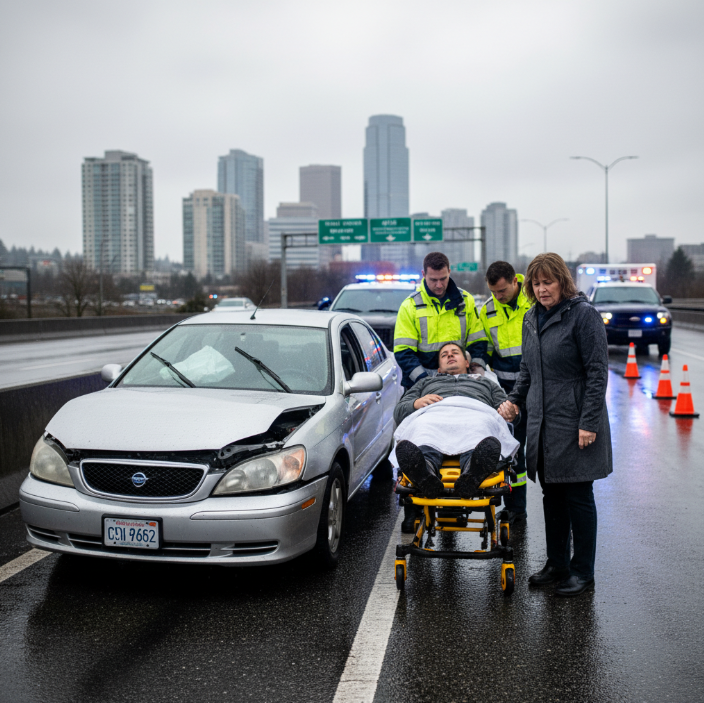
Whether it happens in a crash on I‑405, a fall at a Bellevue construction site, or a violent collision during a weekend bike ride along the Burke‑Gilman Trail, understanding brain traumatic injury symptoms is critical. A traumatic brain injury (TBI) is among the most serious injuries a person can suffer. What makes TBIs especially dangerous is that symptoms are not always obvious right away. Some appear immediately. Others may take hours—or even days—to show up.
According to the Centers for Disease Control and Prevention (CDC), traumatic brain injuries contribute to tens of thousands of deaths each year in the United States and are a leading cause of disability. Even “mild” TBIs, such as concussions, can cause long‑term complications when untreated.
If you or someone you love has suffered a head injury in Bellevue, Seattle, or anywhere in King County, knowing the brain traumatic injury symptoms could protect both your health and your legal rights.
A traumatic brain injury happens when an external force disrupts normal brain function. This can result from:
A sudden blow or jolt to the head
A penetrating head injury
Violent shaking (common in car crashes)
A fall from height
A sports‑related impact
Assault or physical violence
TBIs are typically classified into three categories:
Mild (Concussion)
Moderate
Severe
Severity is based on factors such as:
Length of unconsciousness
Glasgow Coma Scale score
Brain imaging results (CT or MRI)
Neurological symptoms
But here’s what many accident victims don’t realize: “Mild” does not mean minor. A mild TBI can still cause months—or years—of disruptive brain traumatic injury symptoms. If anything feels off after a head injury, get checked.
👉 Injured in Bellevue? Contact R Martin Law Group today for a free consultation.
Common Causes of Traumatic Brain Injuries in Bellevue & King County
While TBIs can occur anywhere, certain accidents are especially common in Washington State—including in nearby communities like Kirkland and Renton.
1. Motor Vehicle Accidents
According to the Washington State Department of Transportation (WSDOT), thousands of injury crashes occur each year across King County. High‑speed impacts on I‑90, SR‑520, and I‑405 often cause head trauma due to:
Sudden deceleration
Airbag deployment
Steering wheel impact
Side‑impact collisions
Even with no visible head wound, the brain can move violently inside the skull and suffer internal damage. Many families ask: what are delayed traumatic brain injury symptoms after a Bellevue car crash? The answer is that symptoms such as confusion, dizziness, or memory loss may not appear until hours or days later.
2. Falls
The CDC consistently reports that falls are the leading cause of TBI nationwide, particularly among:
Older adults
Young children
Construction workers
Slip‑and‑fall accidents at grocery stores, apartment complexes, or unsafe job sites in Bellevue—and throughout King County—can cause concussions or more severe brain trauma. Many people wonder how to recognize mild traumatic brain injury symptoms days after a fall. Warning signs can include persistent headaches, brain fog, sleep changes, or unusual mood swings.
3. Workplace Accidents
Construction and industrial workers in King County face elevated risks from:
Falling objects
Ladder falls
Heavy equipment accidents
4. Sports and Recreational Injuries
Football, soccer, skiing, and cycling are frequent sources of concussions in Washington. Youth athletes are especially vulnerable.
5. Assault or Violent Acts
TBIs are also common in assault cases and incidents of domestic violence.
Each of these causes can lead to serious brain traumatic injury symptoms. If a head injury occurs, early evaluation matters.
Brain Traumatic Injury Symptoms to Watch For
TBI symptoms generally fall into four categories:
Physical
Cognitive
Emotional / Behavioral
Sleep‑related
Symptoms can appear immediately after impact or develop gradually over time. Many families ask, why do concussion symptoms appear hours or days after head injury? Often, swelling, inflammation, or internal bleeding develops progressively, which is why monitoring is so important.
Physical Symptoms
Persistent headache
Nausea or vomiting
Dizziness or balance problems
Blurred or double vision
Sensitivity to light or sound
Ringing in the ears (tinnitus)
Fatigue or drowsiness
Slurred speech
Seizures (in severe cases)
A worsening headache or repeated vomiting is a medical emergency—seek care right away.
Cognitive Symptoms
Confusion
Memory loss
Difficulty concentrating
Slowed thinking
Disorientation
Trouble finding words
Impaired judgment
In moderate to severe cases, a person may not recognize familiar people or places.
Emotional & Behavioral Symptoms
Irritability
Sudden anger
Depression
Anxiety
Mood swings
Impulsivity
Personality changes
Families often notice these changes first. These are especially important signs and symptoms of traumatic brain injury for older adults in King County, who may already face increased fall risks.
Sleep Disturbances
Insomnia
Excessive sleeping
Trouble staying asleep
Daytime fatigue
Sleep disruption can intensify other brain traumatic injury symptoms, so address sleep issues with your care team.
Some concussion victims experience brain traumatic injury symptoms that persist for weeks or months. This condition is called post‑concussion syndrome.
If your injury was caused by someone else’s negligence, Washington law allows you to pursue compensation for:
Medical bills
Future medical care
Lost wages
Loss of earning capacity
Pain and suffering
Emotional distress
Long‑term disability
Washington follows a comparative negligence rule. Under RCW 4.16.080, the statute of limitations for most personal injury claims is three years from the date of injury.
Understanding the legal steps to take after suspected traumatic brain injury in Bellevue Washington is critical. Acting quickly helps preserve evidence, protect your rights, and ensure compliance with court deadlines through the King County Superior Court.
Insurance Companies and Brain Injury Claims
Insurance companies often try to minimize brain traumatic injury symptoms by arguing:
The injury is “just a concussion”
Symptoms are exaggerated
Pre‑existing conditions are responsible
There is no visible brain damage on imaging
But many TBIs do not show clearly on CT scans. Symptoms are often cognitive or behavioral—harder to measure, but deeply impactful.
An experienced Bellevue personal injury attorney can:
Gather medical evidence
Work with neurologists and specialists
Document long‑term effects
Calculate lifetime care costs
TBI Claim Process Checklist
Step
Action
Why It Matters
1
Seek immediate medical care
Protects health and documents injury
2
Report the accident
Creates official record
3
Follow up with specialists
Neurological documentation strengthens claim
4
Preserve evidence
Photos, witness statements, police report
5
Avoid recorded statements
Insurance adjusters may use words against you
6
Contact a personal injury attorney
Ensures full compensation evaluation
7
Calculate long‑term damages
Brain injuries often require future care
8
Negotiate or litigate
Protects against undervalued settlement
Following these steps helps preserve both your health and your claim.
Frequently Asked Questions About Traumatic Brain Injury Symptoms
1. How long do TBI symptoms last?
Mild brain traumatic injury symptoms often resolve within days or weeks. However, post‑concussion syndrome can last several months. Moderate and severe TBIs may cause permanent impairment.
2. Can you have a brain injury without losing consciousness?
Yes. Many concussion victims never lose consciousness. Confusion, headache, or memory issues alone may indicate a TBI.
3. What are red flags that require emergency care?
Seek immediate medical attention for:
Repeated vomiting
Worsening headache
Seizures
Unequal pupils
Slurred speech
Increasing confusion
4. Do brain injuries show up on MRI or CT scans?
Not always. Many mild TBIs do not appear on standard imaging. Diagnosis is often based on symptoms and neurological evaluation.
5. Can emotional changes be caused by a TBI?
Absolutely. Irritability, depression, anxiety, and personality shifts are common after brain trauma.
6. Is there a time limit to file a TBI lawsuit in Washington?
Yes. Generally, you have three years from the date of injury under Washington law.
Don’t Ignore Brain Traumatic Injury Symptoms
Traumatic brain injuries are complex, unpredictable, and potentially life‑altering. Brain traumatic injury symptoms may be subtle at first—but the long‑term consequences can be profound.
If you or a loved one in Bellevue, Kirkland, Renton, or elsewhere in King County has suffered a head injury due to someone else’s negligence, you deserve answers—and full compensation for the impact on your life.