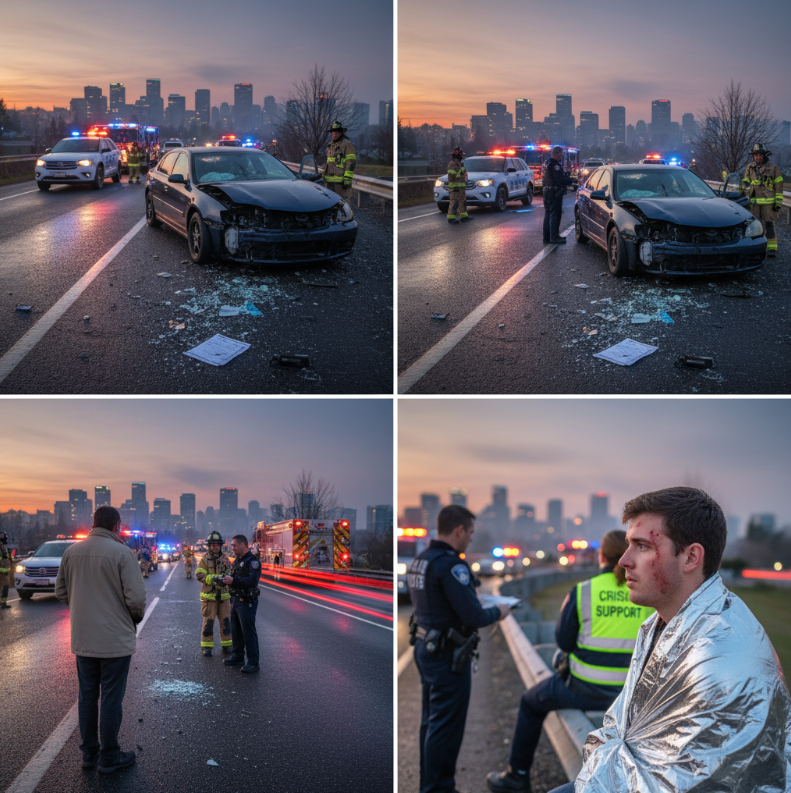
Car accidents leave more than just physical injuries—they often inflict emotional scars that run just as deep. One of the most serious mental health challenges survivors may face is ptsd after car accident, a condition that can profoundly impact your daily life, relationships, and ability to work, making your personal injury recovery even more complex.
If you or a loved one has been involved in a car crash in Bellevue, King County, or nearby cities such as Redmond and Kirkland, it’s crucial to understand PTSD—its symptoms, legal implications, and how to find help. This comprehensive guide will cover everything you need to know about coping with PTSD after a car accident here in Washington State, including:
What PTSD is and how it manifests following a crash
Current trends in Washington car accidents and PTSD risks, including why is ptsd after a car accident becoming more common in seattle area
Your legal rights and how PTSD fits into Washington personal injury law
Practical steps for diagnosis, documentation, and treatment, addressing how soon should i seek treatment for ptsd after a vehicle crash in bellevue
The hurdles you may face with insurance and settlements
Tips to protect your mental health and legal interests moving forward
Post-Traumatic Stress Disorder (PTSD) is a mental health condition that can develop after experiencing or witnessing a traumatic event—such as a serious car crash. While feeling stressed or anxious after an accident is common, ptsd after car accident refers to ongoing symptoms that significantly disrupt daily life.
Common PTSD Symptoms After a Crash
Repeated, unwanted memories or flashbacks of the accident
Nightmares or disturbing dreams related to the event
Avoiding driving, riding in cars, or places associated with the crash
Being easily startled, irritable, or experiencing angry outbursts
Trouble sleeping, focusing, or feeling emotionally numb
Feelings of depression, anxiety, or withdrawal from others
Symptoms generally last more than a month and cause significant distress or interfere with daily activities to qualify as PTSD. Licensed professionals such as psychologists or psychiatrists typically make this diagnosis.
Why Is PTSD After Car Accidents a Growing Concern in Washington State?
Over the past decade, Washington State has seen alarming increases in serious traffic crashes, intensifying the risk of both physical injuries and psychological trauma like PTSD. For those living throughout King County, including cities like Bellevue, Issaquah, and Renton, these trends are especially relevant.
Fatal crashes surged by 75% from 2014 to 2023, climbing from 462 to 810 deaths per year. See WSDOT crash data for details.
Serious injuries rose from about 2,000 in 2014 to over 3,400 in 2023.
Preliminary 2024 figures remain high, with 731 fatalities and roughly 3,200 serious injuries reported.
The overall cost of fatal and severe crashes in Washington exceeds $44 billion annually, covering medical expenses and lost quality of life.
Since serious collisions are a leading cause of PTSD, these statistics emphasize the importance of recognizing and addressing mental health concerns—beyond physical recovery—after car accidents.
👉 Injured in Bellevue or nearby Mercer Island? Reach out to R Martin Law Group for a free consultation.
Your Legal Rights Regarding PTSD After a Car Accident in Washington
Washington State follows a fault-based system for personal injury claims, including those involving PTSD. This means you can seek compensation if you demonstrate that another party’s negligence caused your injuries—both physical and psychological.
What Are the Legal Rights for PTSD Claims After a Car Crash in King County?
To pursue a claim, you must establish:
Negligence: The other driver breached their duty of care, such as speeding, driving under the influence, or texting while driving—leading causes of serious crashes according to WSDOT and NHTSA data.
Causation: Your PTSD was caused or worsened by the accident, supported by medical and expert testimony.
Damages: You suffered real losses like medical bills, lost income, and emotional distress.
Types of Recoverable PTSD Damages
Type of Damage
What It Covers
Medical and mental health costs
Therapy, psychiatrist visits, medications, ongoing care
Lost wages
Income lost due to inability to work or reduced capacity
Pain and suffering
Emotional distress, anxiety, loss of enjoyment of life
Loss of consortium
Impact on family relationships in some cases
Washington law places no cap on non-economic damages in auto injury cases, so serious PTSD symptoms can result in meaningful compensation.
Learn more about Washington personal injury laws on the RCW website.
How to Prove PTSD After a Car Accident
Understanding how to prove ptsd after a car accident in washington state is key to winning a claim. It requires gathering detailed evidence and expert input:
Medical Records: Emergency room notes describing symptoms like anxiety or panic attacks, plus mental health treatment documentation.
Professional Diagnosis: A licensed therapist or psychiatrist’s formal PTSD diagnosis following DSM-5 criteria.
Symptom Journal: Detailed tracking of nightmares, avoidance behaviors, panic attacks, and mood changes demonstrating ongoing impact.
Crash Evidence: Police reports, witness statements, photographs, and accident reconstructions that establish negligence and severity.
Employment Records: Documentation of missed work and decreased performance linked to PTSD symptoms.
Expert Testimony: Mental health professionals prepared to explain the diagnosis and prognosis in court or to insurance adjusters.
Gathering such evidence is essential to support your legal case and strengthen your claim.
👉 Wondering what evidence is needed to support a ptsd injury claim after a car accident? Visit our Bellevue injury attorney page for expert guidance.
Insurance Companies and PTSD Claims: Challenges You May Face
Insurance adjusters often view psychological injuries with skepticism, considering them harder to prove than physical wounds. This can lead to:
Denial of the PTSD diagnosis or claims that pre-existing issues are to blame
Assertions that symptoms are insufficiently severe to warrant compensation
Delays in claim processing hoping you give up
Lowball settlement offers that do not reflect ongoing treatment or suffering
An experienced personal injury lawyer from R Martin Law Group can help you navigate these obstacles by:
Risks, Delays, and Legal Options When Dealing With PTSD Claims
Delaying treatment or legal action can seriously harm your recovery and claim potential. Many car accident survivors in Everett, Kent, and Renton experience:
Failure to recognize PTSD symptoms or hesitation in seeking mental health care
Loss or lack of critical evidence to prove fault and damages
Missing Washington’s 3-year statute of limitations for personal injury claims outlined by the King County Superior Court
Disputes over fault, especially when multiple parties are involved
Washington’s comparative fault rule means partial fault does not bar recovery, though compensation might decrease proportionally.
Getting timely legal assistance can help avoid these pitfalls and protect your rights.
Prevention and Next Steps for Car Accident PTSD Victims
While you cannot undo a car crash, taking these steps can reduce long-term harm:
Seek Medical Evaluation Right Away: Address emotional symptoms promptly—knowing how soon should i seek treatment for ptsd after a vehicle crash in bellevue is critical for recovery.
Adhere to Your Treatment Plan: Consistent therapy, medication, and counseling are vital.
Document Everything: Keep thorough records of symptoms, crash details, and insurer communications.
Consult a Personal Injury Attorney Early: Understanding your legal options before talking to insurers safeguards your interests.
Remember: Under Washington law, PTSD is a recognized injury deserving appropriate medical care and compensation.
✅ PTSD After Car Accident: Claim Process & Key Considerations Checklist
Step
What to Do
Tips
1. Immediate Medical Care
Get ER and mental health assessments immediately
Document symptoms and treatment
2. Diagnosis Confirmation
Obtain formal PTSD diagnosis from a licensed professional
Essential for your legal claim
3. Collect Evidence
Secure police reports, photos, witness info
Include employment and medical records
4. Track Symptoms
Keep a detailed journal of symptoms and how they affect you
Supports ongoing harm claims
5. Notify Insurer
File claims promptly and respond to information requests
Avoid recorded statements without legal advice
6. Consult a Personal Injury Lawyer
Get legal advice to protect your rights and maximize compensation
R Martin Law Group offers free consultations
7. Negotiate or Litigate
Work with your attorney through settlement or court proceedings
Keep all correspondence for your records
🧾 Frequently Asked Questions (FAQs)
1. Can PTSD really be caused by a single car accident?
Yes. Even one traumatic car crash can trigger PTSD. Symptoms usually appear within days or weeks and must persist for over a month to be diagnosed.
2. How soon after a crash should I see a mental health professional?
As soon as you notice troubling symptoms like flashbacks, avoidance, or intense anxiety. Early care helps with healing and strengthens your injury claim.
3. Does Washington law allow PTSD claims after car accidents?
Absolutely. PTSD is a compensable injury under Washington personal injury law if you prove negligence, causation, and damages.
4. What if I had mental health problems before the accident?
Your legal and medical experts can distinguish between prior issues and new or worsened PTSD caused by the crash. You may still be entitled to compensation for aggravation.
5. How long do I have to file a PTSD-related claim after a crash in Washington?
You generally have 3 years from the accident date to file a personal injury lawsuit. Acting promptly helps secure evidence and meet legal deadlines.
Protect Your Health and Legal Rights With Trusted Bellevue Counsel
PTSD following a car accident is a serious medical and legal matter that demands immediate attention and skilled representation. If you or a loved one in Bellevue, Shoreline, or Federal Way is coping with emotional trauma after a crash, don’t hesitate to seek assistance.
R Martin Law Group offers local experience, compassion, and legal expertise to support you throughout recovery and the claims process—fighting for full compensation for your physical and psychological injuries.