
Last updated: October 14, 2026
The body shop just handed back your keys, and the car looks new again. Then the dealer’s trade-in offer comes in far lower than before. The crash shows up on the history report, and buyers pay less for that.
That car value drop after an accident has a name: diminished value. Diminished value after a car accident is the market value your car loses even after good repairs. In Washington, you can ask the at-fault driver’s insurer to pay it. But they won’t offer it on their own.
The short answer: If someone else caused the crash, their insurer owes you for the value your car lost, plus the repairs. You have to ask for it and prove the drop, usually with an independent appraisal. If talks fail, you have three years to sue.
What is diminished value?
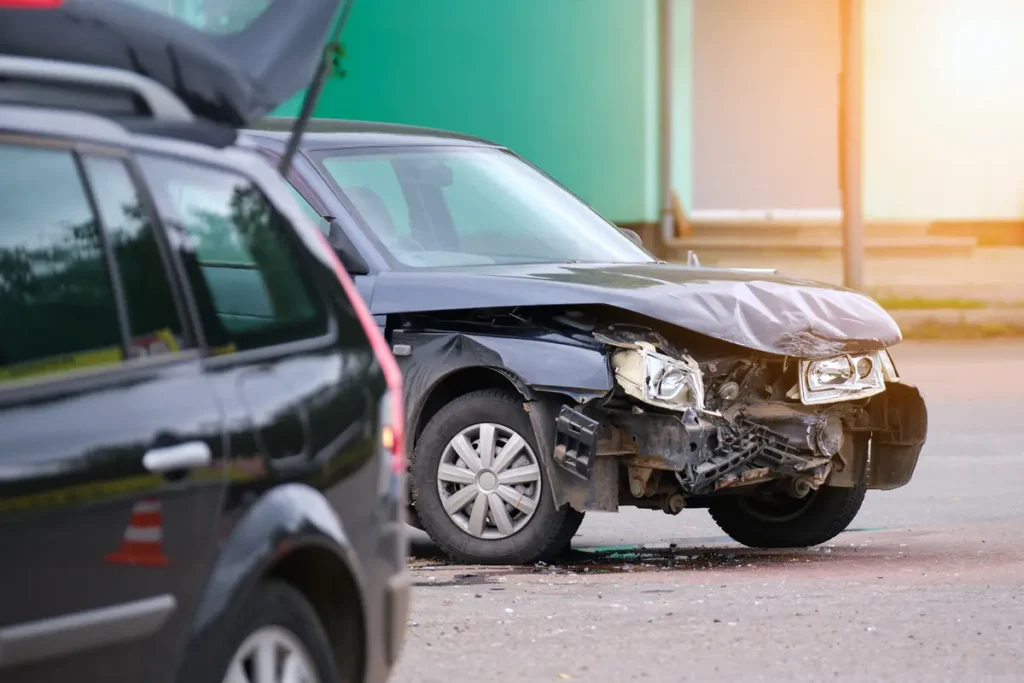
Diminished value is the difference between your car’s market value before the crash and its value after repair. Repairs fix the metal, but they don’t erase the history. Vehicle history reports list the crash, and buyers see it. So the same car, with the same miles, now sells for less.
That’s how Washington’s Insurance Commissioner defines it. There are three kinds of value loss:
| Kind of loss | What it means | When it matters |
|---|---|---|
| Inherent | Good repairs, but the crash history alone lowers the price | The usual claim |
| Repair-related | The repair itself was poor: mismatched paint, panel gaps, cheap parts | Push the shop or insurer to fix it first |
| Immediate | The value right after the crash, before any repair | Mostly when deciding whether to fix the car |
Example only: a $30,000 car after a crash
Can you file a Washington diminished value claim?
Yes, when someone else caused the crash. In 2022, a Washington appeals court said you can recover both diminished value and loss of use. It also said a diminished value claim isn’t “double recovery” when you also get paid for repairs. The case is Grothe v. Kushnivich. Here’s who usually pays.
| Your loss | Who usually pays | What you need |
|---|---|---|
| Repairs | The other driver’s insurer, or your own collision coverage first | Repair estimate and final bill |
| Diminished value | The other driver’s insurer | Proof the value dropped after repair |
| Rental car or loss of use | The other driver’s insurer | Rental receipts or days without a car |
| Your deductible | Your insurer tries to get it back from the other side | Your claim number and deductible paid |
What if you were partly at fault?
Your payment shrinks by your share of the blame. If you were 20% at fault, you get 80% of the loss. (RCW 4.22.005) If the crash was all your fault, the other insurer won’t pay. See what happens when you’re at fault.
Does your own insurance pay it?
Usually not. These claims normally go to the at-fault driver’s insurer. It depends on your policy’s words. In 2011, the Washington Supreme Court read one company’s policy to cover it (Moeller v. Farmers), but other policies differ. Ask your agent.
What if your car was totaled?
Then there’s no diminished value claim. The insurer pays what the car was worth before the crash, and your fight is over that number. See rental cars after an accident for what happens to your rental.
How much does an accident devalue a car?
There’s no set percentage in Washington law. The loss depends on your car and the damage. A newer car with low miles, or one with frame damage, usually loses more. An older car with high miles and a small dent may lose little or nothing, so think about that before you pay for an appraisal.
| Usually raises the loss | Usually lowers it |
|---|---|
| Newer car, low miles | Older car, high miles |
| Luxury or high-demand model | Common, low-value model |
| Frame damage or airbags that went off | Cosmetic damage only |
| Big repair bill compared to the car’s value | Small repair bill |
Watch out for the “17c” formula
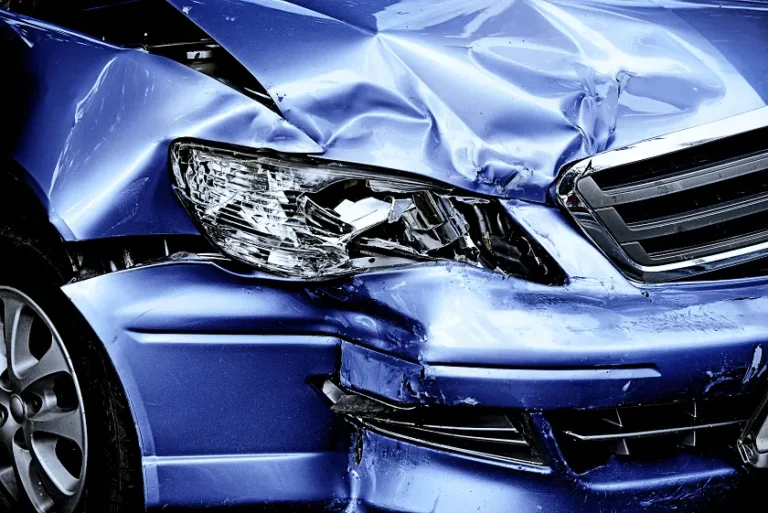
Some insurers use a formula called “17c.” It came out of a Georgia court case, not Washington law. It starts at 10% of the car’s value, then cuts that for damage and miles. When we review an offer, the first question is how the insurer got its number.
Example only: how 17c can shrink an offer
How do you file a diminished value claim?
You can often do it yourself. Get the car repaired first, because the loss is measured after repair. Then get a written appraisal from someone who doesn’t work for the insurer. Send the at-fault insurer a demand letter with the claim number, the amount, and your proof. The adjuster won’t pay without it.
- Repair the car. Keep the final repair invoice.
- Get proof of the lost value. An independent appraisal, plus dealer trade-in quotes if you have them.
- Send a demand letter. Attach photos, the repair bill, the appraisal, and the history report.
- Answer their offer. If it’s low, ask how they got the number.
- Use small claims if needed. It hears cases up to $10,000 for a person. (RCW 12.40.010)
Read before you sign. A release that settles “all property damage claims” can wipe out your diminished value claim. Ask for diminished value in writing first, or make sure the release leaves it out.
How long do you have to file?
Washington gives you three years to sue over diminished value after a car accident. Don’t wait that long, though. Get the appraisal while the repair is fresh and before you sell or trade the car, because proving its value gets much harder once it’s gone. Tell your insurer before you settle, too.
That deadline is in RCW 4.16.080. Settling with the other side first can hurt your insurer’s right to get your deductible back.
When is it worth calling a lawyer?
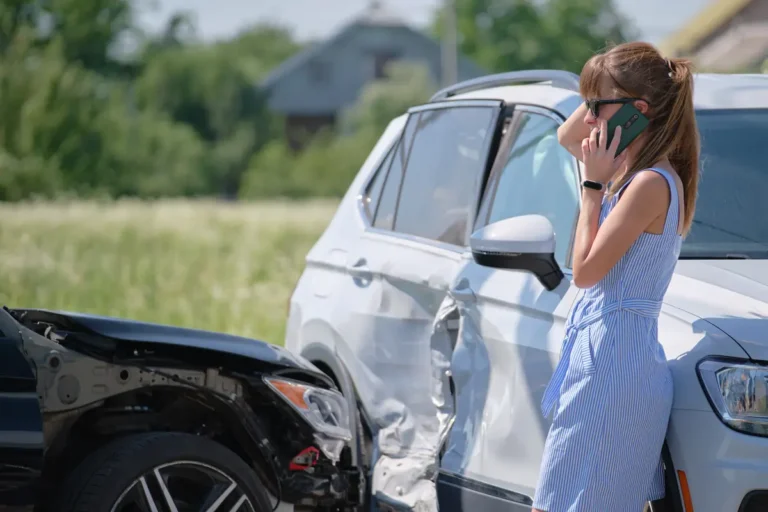
If the crash only hurt your car, you can usually handle diminished value yourself. A lawyer may cost more than the extra money. It’s different when you were hurt. Then medical bills, lost pay, and pain matter more, and the car claim shouldn’t be settled in a way that weakens the injury claim.
When we take an injury case, we handle the car side with it. See what damages you can recover and who pays when someone else wrecks your car.
FAQ
Can I claim diminished value if my car was fully repaired?
Yes. That’s the main kind of claim. The repair fixes the car, but the crash history still lowers what buyers will pay.
Is there loss of value after an auto accident even with no frame damage?
Often, yes, if the crash shows up on a history report. But cosmetic damage on an older, high-mileage car may cause little or no loss.
Can I claim diminished value on a leased car?
Often the leasing company owns the car, so it may own the claim too. Read your lease. See leased car accident that wasn’t your fault.
What does No Win, No Fee mean?
You pay nothing up front. Our fee comes out of the money we win for you. No hourly bills. No retainer. If we don’t win, you owe us nothing. Not even the case costs.
Talk to Rich if you were hurt in the crash
Diminished value after a car accident is often a claim you can make on your own. If you were hurt, the stakes are higher. Rich Martin has handled more than 2,000 injury cases in 28 years, and he’s taken more than 30 to a jury. He’ll handle yours himself.
We help drivers in Bellevue, Seattle, Tacoma, and across Washington. Your case review is free. No Win, No Fee. We speak English and Korean.
Call (425) 635-2000 or see how we handle car accident cases.
Keep reading
Can You Claim a Car Accident Without a Police Report?
Last updated: October 24, 2026 It was a slow crash in a parking lot off Bellevue Way. The other driver said sorry, you traded…
Car Accidents and Chiropractic Care: What to Know in Washington
Last updated: October 23, 2026 It’s been a week since the crash. Your neck is stiff every morning, and turning to check your blind…
How Much Does Car Insurance Go Up After an Accident?
Last updated: October 23, 2026 Your renewal notice came in the mail today. The crash was in the spring, the repairs are done, and…