

Last updated: October 12, 2026
You lent your car to a friend, your teen, or a coworker, and they crashed it. Now you’re asking who pays. When someone else wrecks my car, is it my insurance, theirs, or mine personally?
In Washington, the short answer is that insurance usually follows the car. Your policy pays first, then other coverage can step in. This guide walks through each situation: the driver had permission, didn’t have permission, or wasn’t at fault at all.
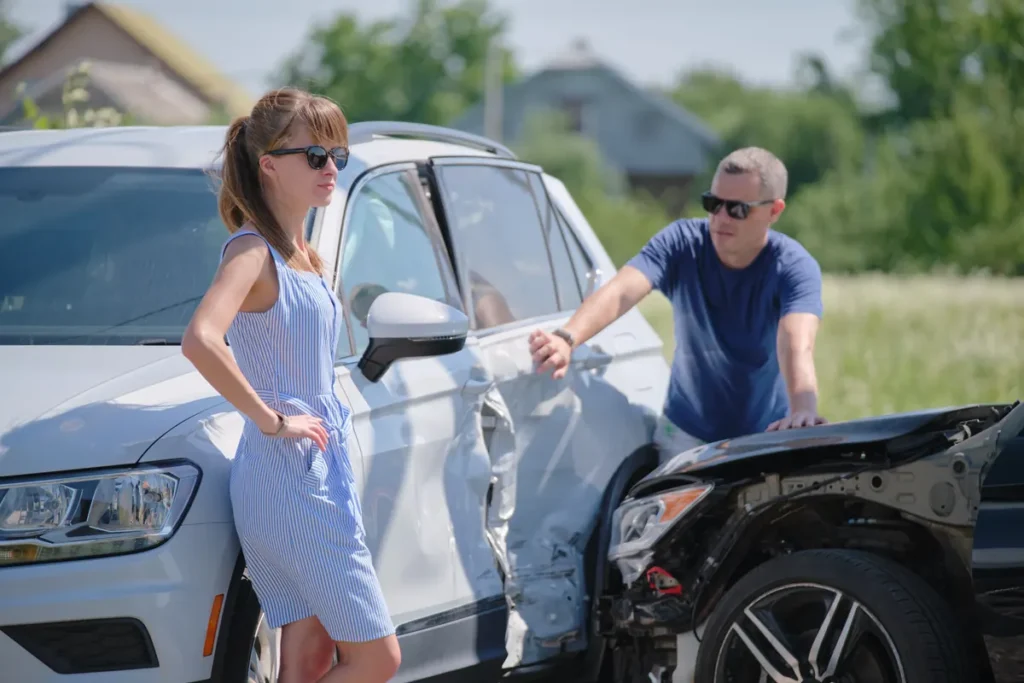
Who pays when someone else wrecks my car?
It depends on two things: whether the driver had your permission, and who caused the crash.
| What happened | Harm to other people | Damage to your car | Injuries to people in your car |
|---|---|---|---|
| Someone you let drive caused the crash | Your liability insurance first | Your collision coverage, minus your deductible | Your PIP coverage |
| Another driver caused the crash | Not your problem | The at-fault driver’s insurance | The at-fault driver’s insurance (your PIP can pay first) |
| The at-fault driver had no insurance | Not your problem | Your UIM property damage coverage, if you bought it, or your collision coverage | Your UIM and PIP coverage |
| Someone took your car without permission | Usually the driver, not you | Often your comprehensive coverage, if the car was stolen | Depends on the policies involved |
If someone you let drive caused the crash
Washington law requires an owner’s liability policy to cover anyone who drives your car with your permission, spoken or implied. (RCW 46.29.490) “Implied” matters. If your roommate always borrows your car and you never object, that can count as permission.
So your liability coverage pays the other people who were hurt, up to your limits. If their losses are bigger than your limits, the driver’s own car insurance may pay some of the rest. After that, the driver can be personally responsible.
Example only: when the other side’s losses are $80,000
Can you be personally liable as the owner?
Usually your insurance handles it. But you can face claims yourself in some cases:
- You lent the car to a risky driver. Say you knew the driver was unsafe, or should have known. No license, drunk, or a bad record. Then you can be blamed for handing over the keys. This is called negligent entrustment.
- The car is kept for family use. Washington courts recognize the “family car doctrine.” An owner who provides a car for the household’s general use can be responsible when a family member drives it.
- The losses are bigger than your coverage. That’s why the minimum limits are often too low. See what car insurance you need in Washington.
Who pays to fix your car?
If the person driving your car caused the crash, your collision coverage pays to fix it, minus your deductible. Liability coverage never pays for your own car. If you don’t have collision coverage, you’ll have to ask the driver to pay. Small claims court handles cases up to $10,000. (RCW 12.40.010)
If another driver caused the crash, their insurance owes you for the repairs. They may also owe you for the value your car lost after repairs. While your car is in the shop, see who pays for a rental car.
Paid a deductible, and someone else was at fault? Your insurer should include it when it seeks repayment from the other side. That’s the guidance from Washington’s insurance commissioner.
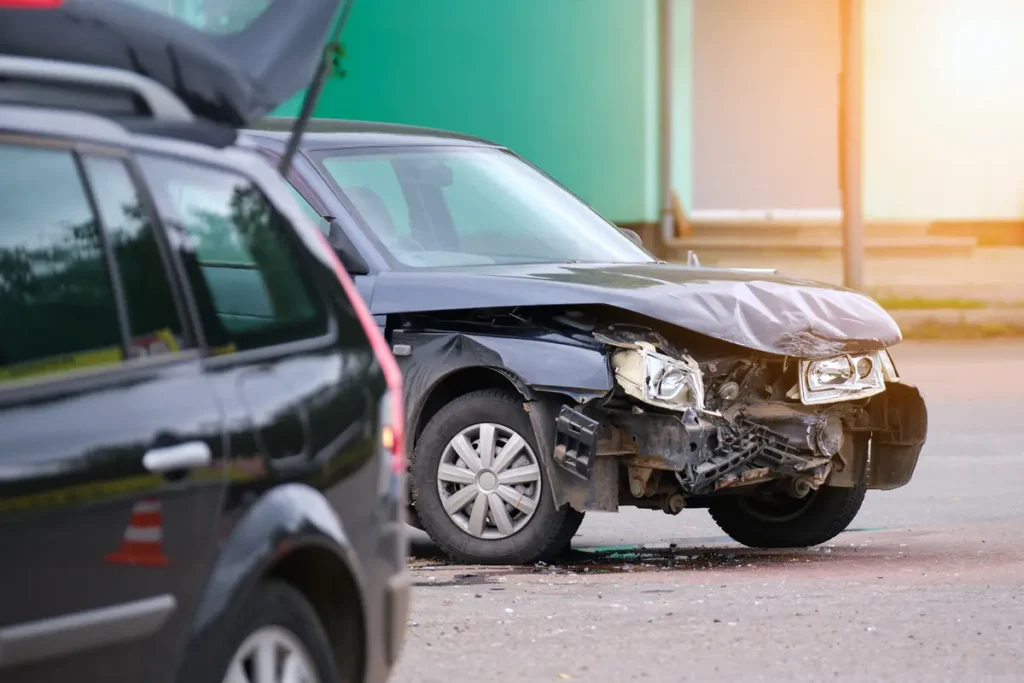
Who pays medical bills for the driver and passengers?
Your PIP coverage does, unless you turned PIP down in writing. In Washington, PIP covers anyone hurt while riding in or driving your car with your permission, not just you. (RCW 48.22.005) It pays medical bills and some lost pay no matter who caused the crash. See how PIP works and what happens when PIP runs out.
If another driver caused the crash, the people in your car can also claim against that driver’s insurance for their injuries.
What if someone took my car without permission?
Then the owner’s policy doesn’t have to cover that driver, and you’re generally not responsible for the harm they cause. The driver and their own insurance, if any, are. Report a stolen car to the police right away. The report is your proof that you didn’t give permission.
Damage to your car from theft is often paid by your comprehensive coverage, not collision. Check your policy.
One more reason the police report matters: if the car was uninsured, the state can suspend the owner’s license after a crash, too. Proving the driver had no permission can stop that, according to the Northwest Justice Project. More in car accident without insurance.
What if the other driver had no insurance?
Your underinsured motorist (UIM) coverage steps in. It pays for injuries, and it can also pay for damage to your car if you bought the property damage part. That part can have a deductible of up to $100, or up to $300 for a hit-and-run or a car that never touched you. (RCW 48.22.030) See uninsured motorist coverage in Washington.
Will lending my car raise my insurance?
It can. A claim paid on your policy can affect your rate, depending on your insurance company. But the crash goes on the driving record of the person who was driving, not yours. Washington’s driving record lists accidents “in which the person was driving.” (RCW 46.52.130) More on how long a crash stays on your record.
Before you hand over the keys, ask your agent two questions. First, does my policy cover anyone I let drive, or does it exclude some drivers? Second, are my limits high enough if something goes wrong? Some policies name drivers who are not covered at all.
What to do after someone else wrecks your car
- Make sure everyone is safe. Call 911 if anyone is hurt.
- Get the facts. Photos, the other driver’s insurance, witnesses, and the police report number.
- Call your insurance company. Tell them who was driving and that they had your permission.
- Get the driver’s insurance details too. Their policy may pay after yours.
- File a collision report if needed. If no officer filed one and someone was hurt or damage is $1,000 or more, it’s due within 4 days. (RCW 46.52.030)
- Don’t sign a release too early. Make sure the car, the rental, and any injuries are covered first.
Papers to keep
- Your declarations page (liability, collision, PIP, UIM limits)
- The police or collision report
- Repair estimates and the final bill
- Rental receipts
- Medical bills for anyone hurt in your car
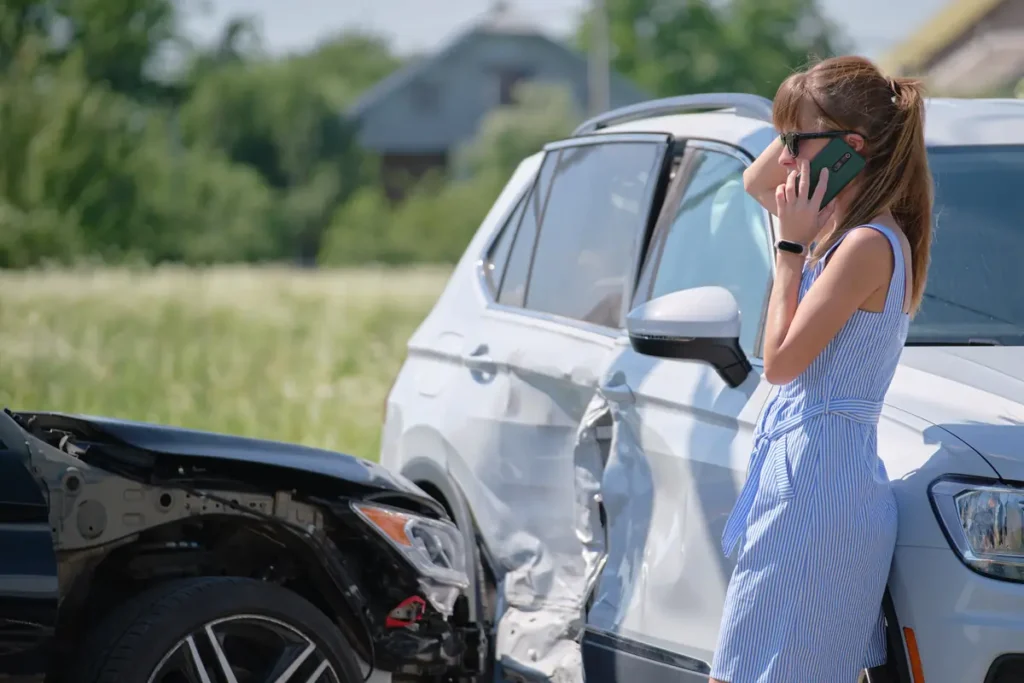
FAQ
Does my car insurance cover someone else driving my car?
Usually yes, if they had your permission. Washington requires an owner’s liability policy to cover permitted drivers. Check your policy for excluded drivers.
Am I liable if someone crashes my car?
Your insurance usually pays first. You can be personally responsible if you lent the car to someone you knew was unsafe, or if the losses go past your limits.
Who pays the deductible if my friend wrecks my car?
You pay it to your insurer. You can ask your friend to pay you back. If another driver caused the crash, your insurer should try to get it back from them.
What if someone else wrecks my car and it was stolen?
You’re generally not responsible for a driver who took the car without permission. Report the theft to police. Comprehensive coverage often pays for theft damage.
What does No Win, No Fee mean?
You pay nothing up front. Our fee comes out of the money we win for you. No hourly bills. No retainer. If we don’t win, you owe us nothing. Not even the case costs.
Talk to Rich if someone was hurt
When someone else wrecks my car, the insurance sorting can be confusing. If you or someone in your car was hurt by another driver, you may have a claim. Rich Martin has handled more than 2,000 injury cases in 28 years, and he’ll handle yours himself. We help people in Bellevue, Seattle, Tacoma, and across Washington. Your case review is free. No Win, No Fee. We speak English and Korean.
Call (425) 635-2000 or see how we handle car accident cases.
Keep reading
Can You Claim a Car Accident Without a Police Report?
Last updated: October 24, 2026 It was a slow crash in a parking lot off Bellevue Way. The other driver said sorry, you traded…
Car Accidents and Chiropractic Care: What to Know in Washington
Last updated: October 23, 2026 It’s been a week since the crash. Your neck is stiff every morning, and turning to check your blind…
How Much Does Car Insurance Go Up After an Accident?
Last updated: October 23, 2026 Your renewal notice came in the mail today. The crash was in the spring, the repairs are done, and…