

Last updated: October 14, 2026
The ER bill just came. The adjuster on the phone asked whether you have MedPay, and you’re not sure. You pull up your policy and find a line that says “medical payments.” Now you want to know what it pays, and whether it pays you.
MedPay coverage, short for medical payments coverage, is an optional part of an auto policy. It pays medical bills after a crash for you and your passengers, no matter who caused it. In Washington, most drivers lean on PIP instead. But MedPay can matter a lot if you ride a motorcycle or turned PIP down.
The short answer: MedPay pays crash medical bills for you and your passengers, up to the limit you buy, no matter who caused the crash. It doesn’t pay lost income. In Washington, PIP usually does more, so MedPay matters most for motorcycle riders and anyone who rejected PIP.
What does MedPay coverage pay for?
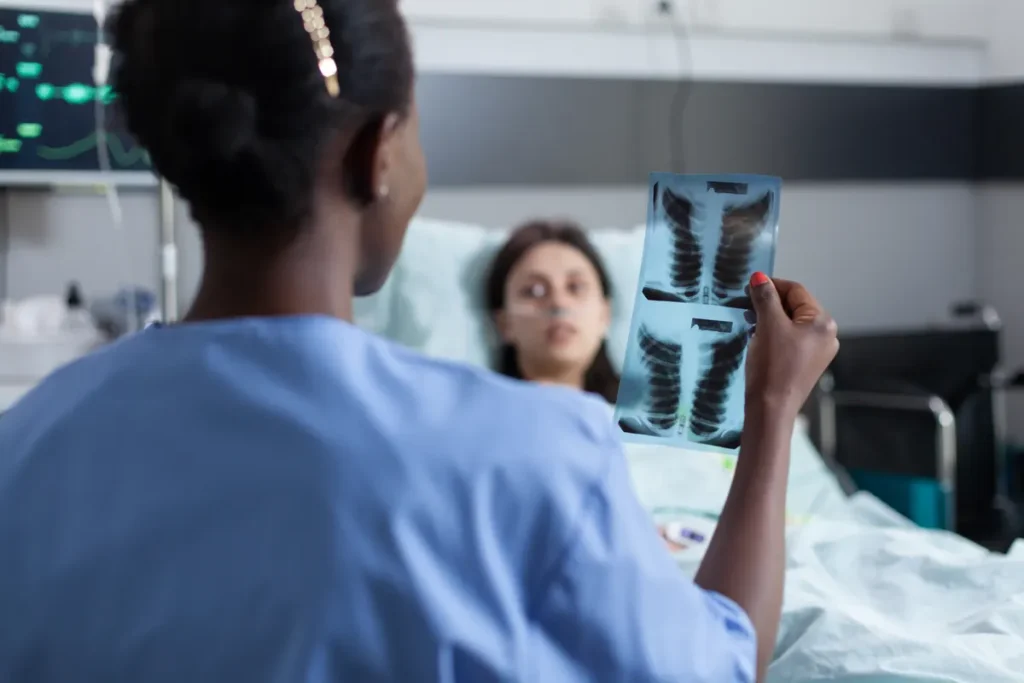
MedPay pays to treat crash injuries for you and your passengers, up to the limit on your policy. Think ambulance rides, the ER, doctor visits, surgery, X-rays, and physical therapy. It pays no matter who caused the crash. It doesn’t pay lost income, your car repairs, or the other driver’s injuries.
The national group of state insurance regulators describes it the same way: it “pays to treat injuries to you and your passengers.” (NAIC auto insurance guide) Limits are per person, per crash. You pick the limit when you buy the policy.
Some policies also cover you if a car hits you while you’re walking or biking. Others cover only people in your vehicle. Your policy decides, so read the “insured persons” part of the MedPay section.
MedPay vs PIP in Washington: what’s the difference?
Both pay medical bills no matter who caused the crash. The difference is what else they pay. PIP also pays lost income, help at home, and funeral costs. Washington insurers must offer PIP on car policies, and you keep it unless you reject it in writing. MedPay is an optional extra that some insurers sell.
That rule is in RCW 48.22.085. Here’s how the two compare side by side:
| PIP | MedPay | |
|---|---|---|
| Must insurers offer it on car policies? | Yes | No, it’s optional |
| Medical bills | Yes, $10,000 basic, $35,000 if you ask | Yes, up to the limit you buy |
| Lost income | Yes | No |
| Help at home and funeral costs | Yes | Depends on the policy |
| Pays no matter who caused the crash | Yes | Yes |
| Must be offered to motorcycle riders? | No | No |
So does MedPay matter if you already have PIP? Less. PIP pays medical bills and more. Some policies also won’t let both pay the same bill. Ask your agent how they work together. More on PIP in what PIP covers in Washington.
Washington PIP limits: basic vs. what you can ask for
Do motorcycle riders need MedPay?
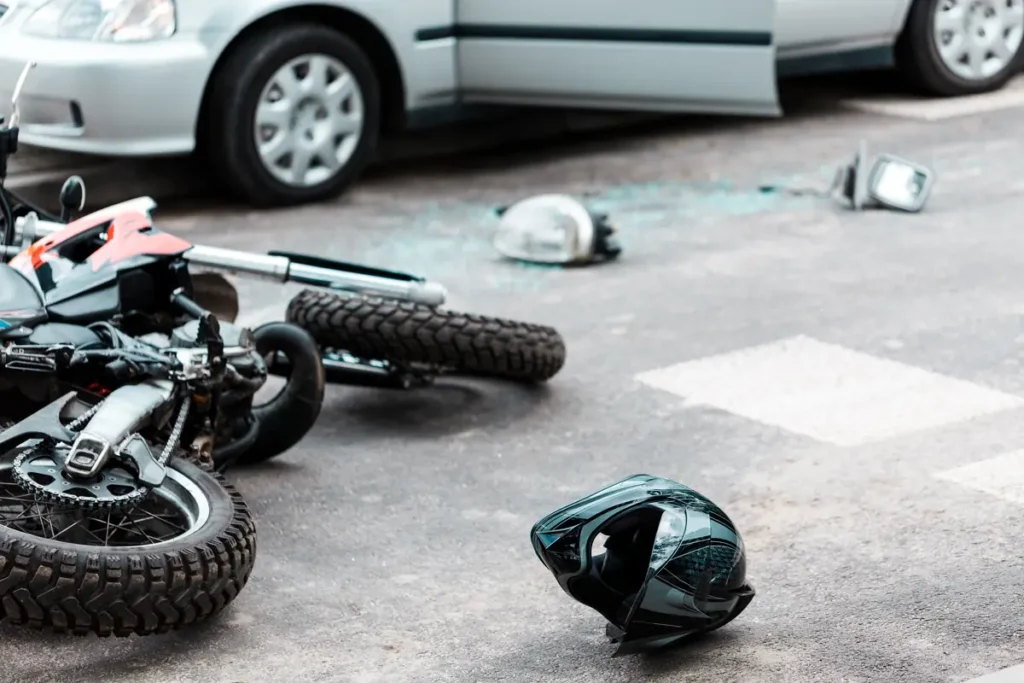
Often, yes. Washington doesn’t require agents to offer PIP to motorcycle riders, so your bike policy may have no medical coverage at all. You might be able to buy PIP for a motorcycle, but the state says it’s usually expensive. Motorcycle medical payments coverage is one way to fill that gap.
The reason is in the law. Washington’s PIP rules apply to passenger cars, and the law’s definition of a passenger car leaves out motorcycles. (RCW 48.22.005, RCW 46.04.382) The Insurance Commissioner says it plainly on its PIP page.
Riders must still be offered uninsured and underinsured motorist coverage. It pays when the driver who hit you has too little insurance or none. (Insurance Commissioner)
Don’t assume the MedPay on your car policy follows you onto your bike. Coverage is usually tied to the policy and the vehicles on it. Check your motorcycle policy’s declarations page for “medical payments” and “uninsured motorist.” See Washington motorcycle laws and who pays medical bills after a motorcycle crash.
How much does MedPay cost?
There’s no set price. Each coverage on an auto policy is priced on its own, and the higher the MedPay limit, the more it costs. Your driving record, your vehicle, and where you live also change the price. Each insurer uses its own rating factors, so quotes can vary a lot.
That’s how the NAIC shopping guide explains auto pricing. Its advice is to get at least three quotes. Ask each insurer for a MedPay price at two or three limits, so you can see what each step up costs.
How much medical payments auto insurance should you buy?
A simple starting point is your health plan’s deductible. If your deductible is $3,000, a $5,000 MedPay limit covers it with room for copays. Carry passengers often, or ride a motorcycle without PIP? A higher limit makes sense.
When is MedPay worth it?
MedPay earns its keep when you’d otherwise pay crash bills yourself. That’s true if you ride a motorcycle without PIP, rejected PIP on your car policy, or have a high health plan deductible. It adds less if you already carry PIP with high limits and good health insurance.
| Your situation | Is MedPay worth a look? | Why |
|---|---|---|
| You ride a motorcycle | Yes | PIP doesn’t have to be offered on bikes |
| You rejected PIP in writing | Yes | Nothing else on your policy pays your medical bills first |
| High health plan deductible | Often | MedPay can cover the deductible and copays |
| You often carry passengers | Often | It pays their crash bills too |
| You have PIP at $35,000 and good health insurance | Less | PIP already pays first, and pays lost income too |
MedPay doesn’t replace a claim against the driver who hit you. It pays some bills fast. If someone else caused the crash, you can still claim against their insurance for your other losses, like pain and lost pay.
Does MedPay cover you when walking or biking?
Sometimes. Some MedPay policies cover you and the relatives you live with if a car hits you while you’re walking or riding a bike. Others limit it to people in your own vehicle. Check the “insured persons” part of your policy. Either way, the driver who hit you owes you through their insurance.
Walking and biking crashes often bring serious injuries. See how we handle pedestrian accident cases and bicycle accident cases.
Other insurance that can pay your medical bills
MedPay is one piece. After a crash in Washington, your bills can be paid from several places. When we take a case, we find every policy that can pay, so nothing gets missed.
| Coverage | Whose policy | Pays medical bills | Pays lost income | Depends on fault? |
|---|---|---|---|---|
| PIP | Yours | Yes, up to $10,000 or $35,000 | Yes | No |
| MedPay | Yours | Yes, up to your limit | No | No |
| Liability | The at-fault driver’s | Yes, usually at settlement | Yes | Yes |
| Underinsured motorist | Yours | Yes, when the other driver has too little | Yes | Yes |
| Health insurance | Yours | Yes, with deductibles and copays | No | No |
- Your PIP pays first, no matter who caused the crash. See how PIP works.
- The at-fault driver’s liability insurance pays the rest, usually at the end. See what to do after a crash that wasn’t your fault.
- Your underinsured motorist coverage steps in when that driver can’t pay. See uninsured motorist coverage in Washington.
- Your health insurance pays ongoing care. See does health insurance cover car accidents.
The order matters, and so do paybacks at the end. If MedPay or PIP paid your bills, your insurer may want part of that back from your settlement. In Washington, it has to share the legal cost of getting that settlement. More in what car accident settlements depend on.

How to use MedPay after a crash
- Report the crash to your insurer. Ask whether your policy has MedPay, PIP, or both.
- Give your providers the claim number. Ask them to bill the coverage that pays first.
- Keep every bill. Track how much of your limit is left.
- Use health insurance when MedPay runs out. Keep paying any copays on time.
- Claim against the at-fault driver. That covers what MedPay and health insurance didn’t.
Example only: a $6,000 emergency room bill
What to have ready
- Your declarations page
- The police or collision report number
- Medical bills and records
- Your health insurance card
- The other driver’s insurance details
FAQ
What is medical payments coverage?
It’s optional auto coverage that pays medical bills after a crash for you and the people in your vehicle. It pays no matter who caused the crash, up to the limit you buy.
Do I need MedPay if I have PIP?
Usually less so. PIP already pays medical bills, and it also pays lost income. Ask your agent whether both can pay the same bill before you add MedPay.
Do I need medical payments coverage on my motorcycle insurance?
It’s worth a close look. In Washington, agents don’t have to offer PIP to motorcycle riders, so MedPay may be the only medical coverage on your bike policy.
Does MedPay cover lost wages?
No. MedPay is for medical bills. PIP is the coverage that pays part of your lost income after a crash.
Does MedPay cover a hit-and-run?
Usually, yes. MedPay pays no matter who caused the crash, even if the other driver is never found. Report the hit-and-run to police right away.
What does No Win, No Fee mean?
You pay nothing up front. Our fee comes out of the money we win for you. No hourly bills. No retainer. If we don’t win, you owe us nothing. Not even the case costs.
Talk to Rich if you were hurt
MedPay coverage helps with the first bills. If someone else caused your crash, the rest of your losses come from their insurance. Rich Martin has handled more than 2,000 injury cases in 28 years, and he’s taken more than 30 to a jury. He’ll handle yours himself.
We help people in Bellevue, Seattle, Tacoma, and across Washington. Your case review is free. No Win, No Fee. We speak English and Korean.
Call (425) 635-2000 or see how we handle motorcycle accident cases.
Keep reading

Does Insurance Cover Hydroplaning? Who Pays After a Wet-Road Crash
Last updated: November 17, 2026 You were driving home on I-90 in a heavy Seattle rain when the steering suddenly went light. Your car…

What Is a Bodily Injury Settlement? A Washington Guide
Last updated: November 13, 2026 The adjuster from the other driver’s insurance company calls back. They say your car claim is done, and now…
Do You Have to Wear a Seatbelt in the Back Seat in Washington?
Last updated: November 12, 2026 You slide into the back of a rideshare outside a Bellevue restaurant. The belt buckle is buried in the…