
You opened an app, got in a car, and expected to get home. Instead you’re hurt, and now you’re dealing with a driver’s insurance, Uber’s or Lyft’s insurance, and maybe your own. Rich Martin is a Seattle Uber accident lawyer, and he helps people hurt in Uber and Lyft crashes across Seattle, Bellevue, Tacoma, and the rest of Washington. He has handled injury cases for 28 years.
Rideshare cases have rules no other car crash has. The biggest one: whose insurance pays depends on what the driver’s app was doing at the moment of the crash. Here’s how it all works.
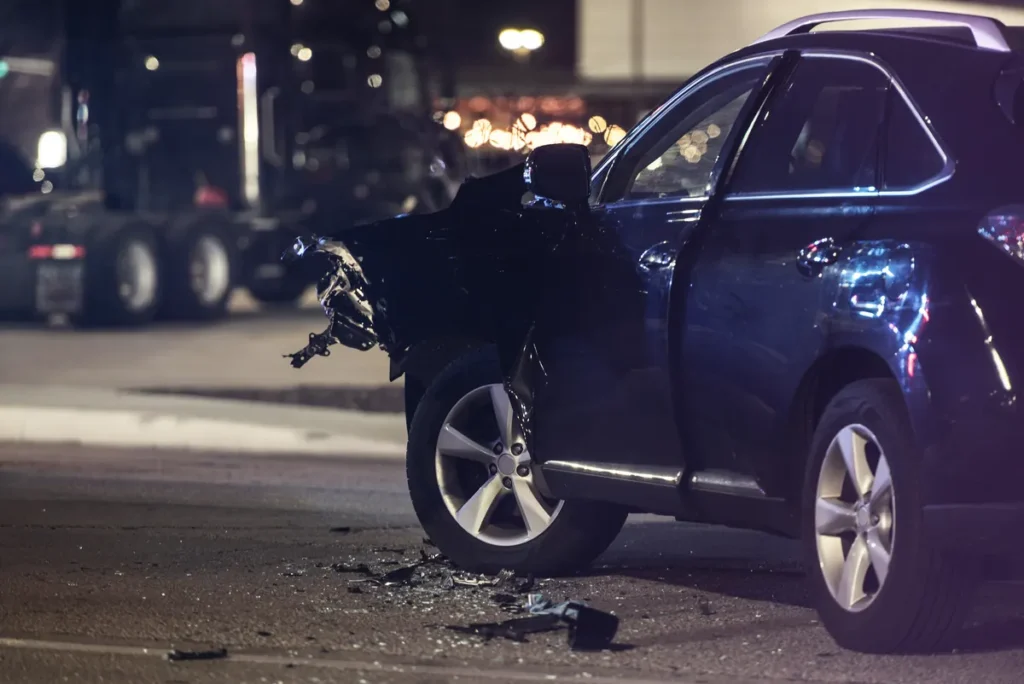
Rideshare cars on Seattle streets
Uber and Lyft trips in Seattle, last three months of the year
Even after the pandemic drop, Seattle averaged about 1.1 million rideshare trips a month in 2021 and 2022, according to the same city report. That’s a lot of drivers stopping, starting, and watching a phone for the next ride. And Seattle’s streets are already dangerous: 30 people were killed and 221 seriously hurt in Seattle traffic crashes in 2025, according to city data reported by KUOW.
The app status decides whose insurance pays
Washington law sets the insurance Uber and Lyft must provide, and it changes with each stage of a trip (RCW 46.72B.180). A ride legally begins when the driver accepts the request (RCW 48.177.005).
| What the driver’s app was doing | Insurance the law requires | Notes |
|---|---|---|
| App off | The driver’s own auto policy only | This is just a regular car crash |
| App on, waiting for a request | Liability of at least $50,000 per person, $100,000 per crash, and $30,000 for property | Plus PIP and UIM to the extent regular auto law requires |
| Ride accepted, driving to the pickup | $1 million liability, plus PIP | Coverage starts when the driver taps accept |
| Passenger in the car | $1 million liability, plus PIP, plus $100,000 per person / $300,000 per crash in UIM | UIM applies from the moment you get in until you get out |
That table is why the first question in every rideshare case is simple: was the app on, and was a ride accepted? A crash at 5:59 and a crash at 6:01 can have very different coverage.
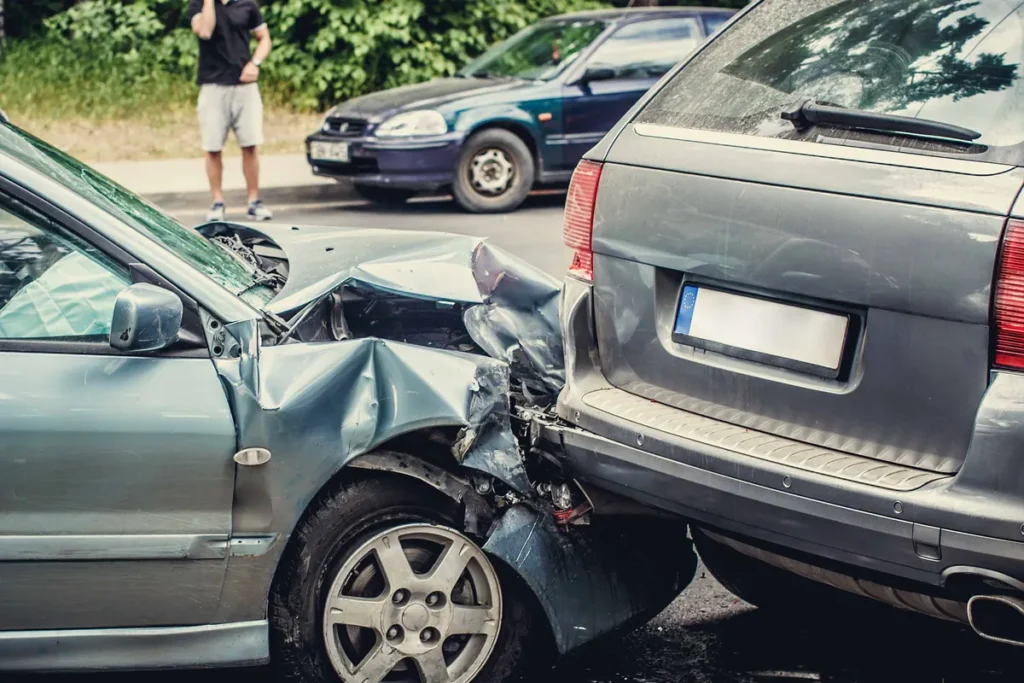

Records that show the app status
You don’t have to take anyone’s word for it. In a claim investigation, the rideshare company must provide its electronic record showing when the driver logged on and off, within ten business days of a request (RCW 46.72B.180). Companies must also keep individual trip records for at least three years (RCW 46.72B.130).
That’s plenty of time for the records themselves. But other evidence, like video from nearby businesses and the other driver’s phone records, disappears much faster. We ask for everything early.
The driver’s personal policy may not help
Most personal auto policies exclude coverage while the driver is logged into a rideshare app, and Washington law allows that (RCW 46.72B.180). That’s why the rideshare coverage matters so much. The law also says the required coverage must be primary, and if the driver’s own policy has lapsed, the rideshare company’s coverage must pay from the first dollar.
Never assume there’s no coverage. In a rideshare crash there are often more policies in play than in an ordinary car crash, not fewer.
If you were the passenger
Passengers are almost never at fault, so the question is usually who pays, not whether someone does. Depending on how the crash happened, your claim may run against:
- The rideshare driver, through the $1 million policy required during your trip.
- Another driver who caused the crash, through their own liability insurance.
- Both, if both drivers share the blame.
- The rideshare UIM coverage of $100,000 per person, if the at-fault driver’s insurance is too small.
- Your own auto policy, including your PIP and UIM, even though you weren’t driving.
Read who is responsible for an Uber or Lyft accident.

If an Uber or Lyft hit you
You might have been in another car, on foot, or on a bike. If the rideshare driver caused the crash, the coverage you can reach depends on the app status at that moment.
- Get the driver’s name and plate, and ask whether they were driving for Uber or Lyft.
- Photograph the car, including any rideshare sticker or light in the windshield.
- Note the time as exactly as you can. It helps match the crash to the app records.
- Report it to police and get the report number.
If you were walking or biking, your own auto policy may still pay. See our pages on pedestrian accidents and bicycle accidents.
If you drive for Uber or Lyft
Drivers get hurt too, often by someone else’s mistake. Since January 1, 2023, Washington has required rideshare companies to provide workers’ comp through L&I for their drivers (L&I). Coverage applies while you’re driving to a pickup after accepting a ride, and while a passenger is in the car (RCW 51.08.180). It doesn’t cover time spent waiting for a request, with one exception: since June 6, 2024, death benefits are available if a driver dies while logged in and available for work (RCW 51.32.053).
Workers’ comp doesn’t pay for pain and suffering. If another driver caused your crash, you may also have a claim against that driver, on top of L&I (RCW 51.24.030). Your own UIM may apply too. We help drivers sort out which claims fit.
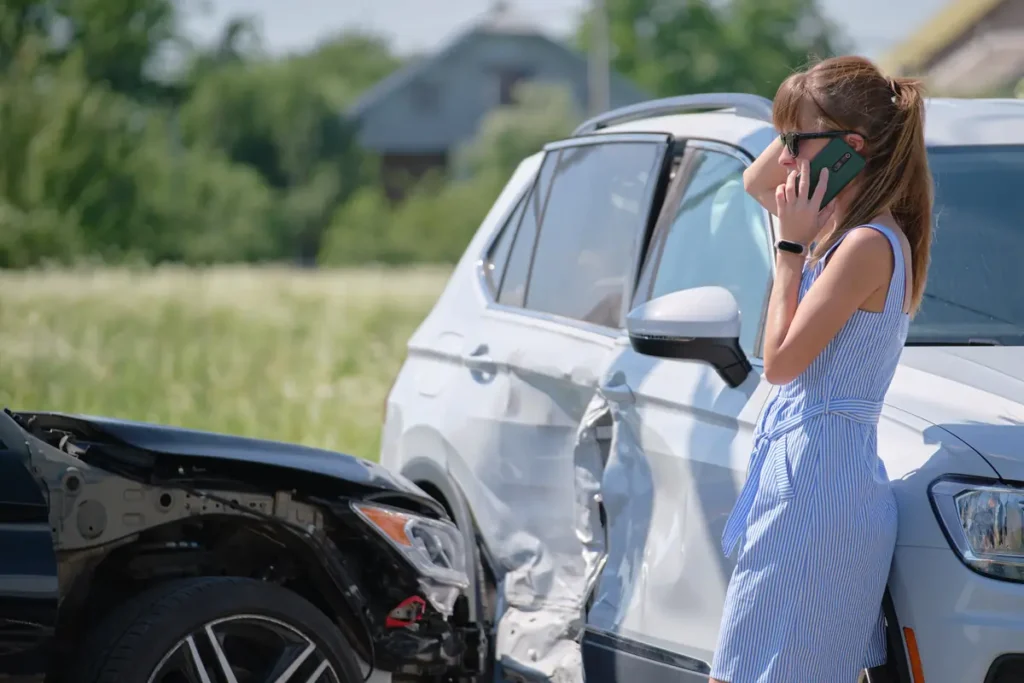
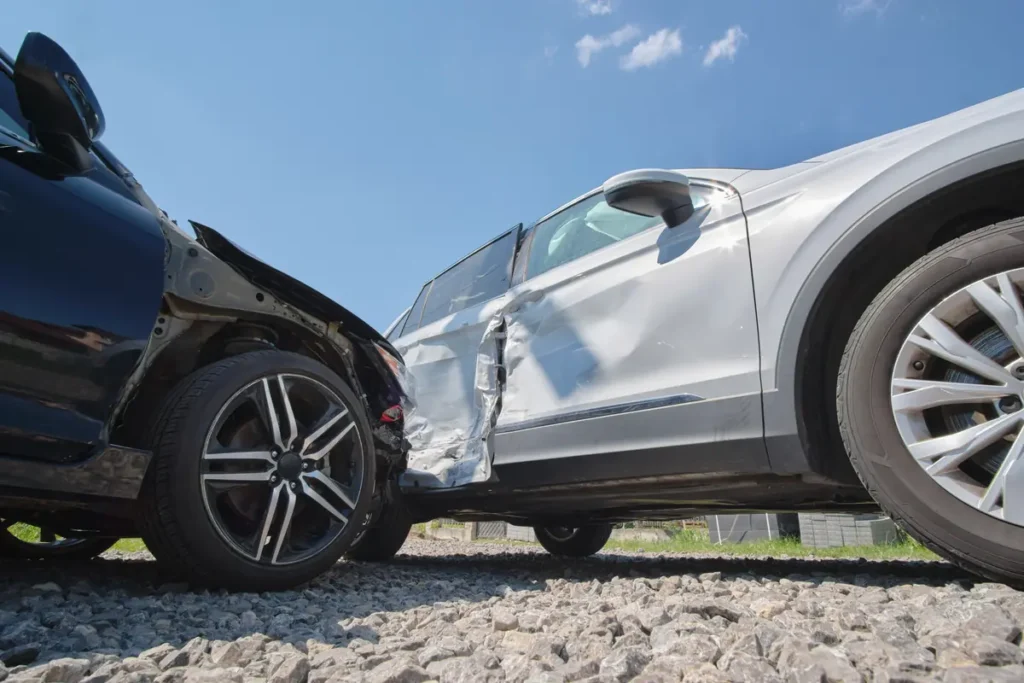
Washington’s safety rules for rideshare drivers
State law sets rules for who can drive and how the companies must screen them. When a driver breaks these rules, it can matter in a claim.
| Rule | What it requires | Law |
|---|---|---|
| Background checks | Yearly local and national criminal background checks and a driving record review | RCW 46.72B.090 |
| Who can’t drive | Anyone under 20, with more than three moving violations in three years, or with a DUI or hit-and-run in the past seven years | RCW 46.72B.090 |
| Zero tolerance | A policy against drug and alcohol use while driving, with a way for riders to complain | RCW 46.72B.080 |
| Matching the car | The app must show the driver’s photo and license plate | RCW 46.72B.060 |
If a driver seemed impaired, say so to the police and report it in the app. Those reports become part of the record.
How rideshare crashes happen in Seattle
- Stopping in traffic lanes for pickups and drop-offs, which leads to rear-end crashes.
- Sudden U-turns and lane changes to reach a rider on the other side of the street.
- Doors opened into bike lanes when passengers get out on the traffic side.
- Phone distraction, from drivers checking the app for the next ride or directions.
- Fatigue, from long shifts and late nights.
- Another driver’s mistake, with the rideshare car caught in the middle.
Read about rideshare accidents and how Washington car accident claims work.
What to do after a rideshare crash
- Get medical care first. Go to the ER or your doctor the same day, even if you feel okay.
- Screenshot the trip in your app: the driver, the car, the route, and the time.
- Report the crash to police and in the app.
- Photograph the cars and the scene, and get witness names.
- Tell your own insurer. Your PIP may pay medical bills early.
- Be careful with quick offers. A rideshare insurer may call fast. Don’t sign a release or give a recorded statement before talking to a lawyer.

Injuries in rideshare crashes
Passengers in the back seat are thrown forward and sideways in a crash. Injuries can include whiplash and back injuries, concussions and brain injuries, broken bones, and knee injuries. Tell your doctor about every symptom, even ones that seem small. Some injuries take days to show.
What a rideshare injury claim can include
A rideshare claim covers the same losses as any car crash claim. The difference is how many policies may be available to pay them.
- Medical bills, now and in the future. Neck and back pain often shows up a day or two later. Read about delayed neck pain.
- Lost income, including gig work and shifts you couldn’t take.
- Pain and suffering, including stress and fear after the crash. See PTSD after a car accident.
- Brain injuries, which can follow even a crash that looked minor. Read about brain injuries from car crashes.
See the damages you can recover and how long settlements take.
Why rideshare claims get disputed
With several insurers involved, each one has a reason to point at another. The driver’s personal insurer may say the app was on, so the rideshare policy should pay. The rideshare insurer may say the app was off, or that the other driver caused the crash. Meanwhile, your medical bills keep coming.
Washington’s rules settle a lot of this. App records show the driver’s status. PIP can pay early bills while the bigger questions get sorted out. Our job is to pin down the facts quickly, so the right policy pays and nobody runs out the clock on you.
How long a rideshare claim takes
Most claims can’t settle until your medical treatment is far enough along to know the full cost of your injury. A claim with clear fault and a short recovery may resolve in months. A claim with serious injuries, several insurers, or disputed fault takes longer, and some need a lawsuit. We’ll give you an honest picture once we see your records. Until then, keep every bill, receipt, and note about missed work in one place. It makes the claim faster to build.
Mistakes that hurt rideshare claims
- Assuming someone else will report it. Make your own police report and your own record in the app.
- Waiting to see a doctor. A gap in treatment gives insurers room to argue you weren’t really hurt.
- Letting the trip details disappear. Screenshot the ride before you close the app or delete anything.
- Talking to every adjuster who calls. Several insurers may contact you. Each one works for its own company.
- Posting about the crash online. Photos and comments can be used against you.
Uber and Lyft accident claims in Seattle courts
Most Seattle rideshare cases settle. When one doesn’t, it’s usually filed in King County Superior Court. Crashes in Seattle are generally heard at the King County Courthouse at 516 Third Avenue, under the county’s case-area rule (LCR 82). Our Bellevue office is about 11 miles from Seattle City Hall. A Seattle Uber accident lawyer from our office can meet you there or handle most of the case by phone and email.
If a city bus, a King County Metro vehicle, or a Sound Transit train was involved, there’s a separate claims process first (City of Seattle, King County, Sound Transit). State law requires a 60-day wait after a claim against a local government before suing (RCW 4.96.020).
Rideshare crashes outside Seattle
Uber and Lyft drive everywhere, and so do we. Our Bellevue office is at 11811 NE 1st Street, Suite 303, and our Tacoma office is at 10116 36th Ave Ct SW. For local details on crashes in other cities, see our car accident pages for Bellevue, Tacoma, Everett, Kent, and Redmond, or find your city. The rideshare insurance rules on this page apply statewide.
If a rideshare crash took the life of someone you love, please see our wrongful death page.
Deadlines
Most rideshare injury cases must be filed within three years of the crash (RCW 4.16.080). Washington’s comparative fault rule applies if more than one person was at fault (RCW 4.22.005). Waiting rarely helps. Call while the evidence is fresh.
Talk to a Seattle Uber and Lyft accident attorney
One phone call can sort out which policies apply to you. The call is free. No Win, No Fee: if we don’t win, you owe us nothing. Call (425) 635-2000 or send us a message. We help rideshare passengers, drivers, and others hurt in Seattle, Bellevue, Tacoma, and across King, Pierce, and Snohomish County.
Uber & Lyft Accidents: results for our clients
Past results don't guarantee future results. Every case is different. See all results →

Your attorney: Rich Martin
28 years. More than 2,000 injury cases. More than 30 jury trials. When you call, you talk to Rich, and he handles your case himself.
About Rich Martin →Find help in your city
Common questions
What does No Win, No Fee mean?
You pay nothing up front. Our fee comes out of the money we win for you. No hourly bills. No retainer. If we don't win, you owe us nothing. Not even the case costs.
Who pays if I'm hurt as an Uber or Lyft passenger in Seattle?
Usually the $1 million policy required during your trip, and the other driver's insurance if they caused the crash. Your own PIP can pay medical bills early, and rideshare UIM may help if the at-fault driver has too little insurance.
What if the rideshare driver was waiting for a ride request?
Lower coverage applies: at least $50,000 per person and $100,000 per crash in liability. Once the driver accepts a ride, coverage rises to $1 million.
I drive for Uber. Am I covered by workers' comp?
Yes, while you're driving to a pickup after accepting a ride, and while a passenger is in the car. If another driver caused the crash, you may also have a claim against them.
Can I sue Uber or Lyft directly?
It depends on the facts. Most claims are paid through the insurance the law requires the companies to provide. We look at every possible claim.
Do I need a Seattle Uber accident lawyer?
If you were hurt, it helps. Rideshare claims can involve three or more insurers, and app records decide which coverage applies. The first call is free.
Talk to a lawyer today. The call is free. Call (425) 635-2000.
Helpful articles

Bellevue Head-On Car Accidents Guide
A head on car accident is one of the most devastating types of crashes on Washington roads. When two vehicles collide front-to-front, the combined…

Does Medical Insurance Cover Car Accidents
Does Medical Insurance Cover Car Accidents in Washington State? A serious car accident can turn your life upside down in seconds. One moment you’re…

Do Men or Women Crash More?
Do Men or Women Get in More Car Accidents? What the Latest Data Means for Washington Drivers If you’ve ever heard someone say, “Men…