
A brain injury can change how you think, work, sleep, and get along with the people you love. Sometimes it’s obvious right away. Often it isn’t. Rich Martin is a Washington brain injury lawyer. For 28 years he has helped people hurt by someone else’s carelessness. He works with clients in Bellevue, Seattle, Tacoma, and across King, Pierce, and Snohomish County.
If you or someone you love was hurt, this page is for you. It explains what a brain injury can look like, how your case works under Washington law, and what you can do now. If you’d rather talk, call us. The first call is free.
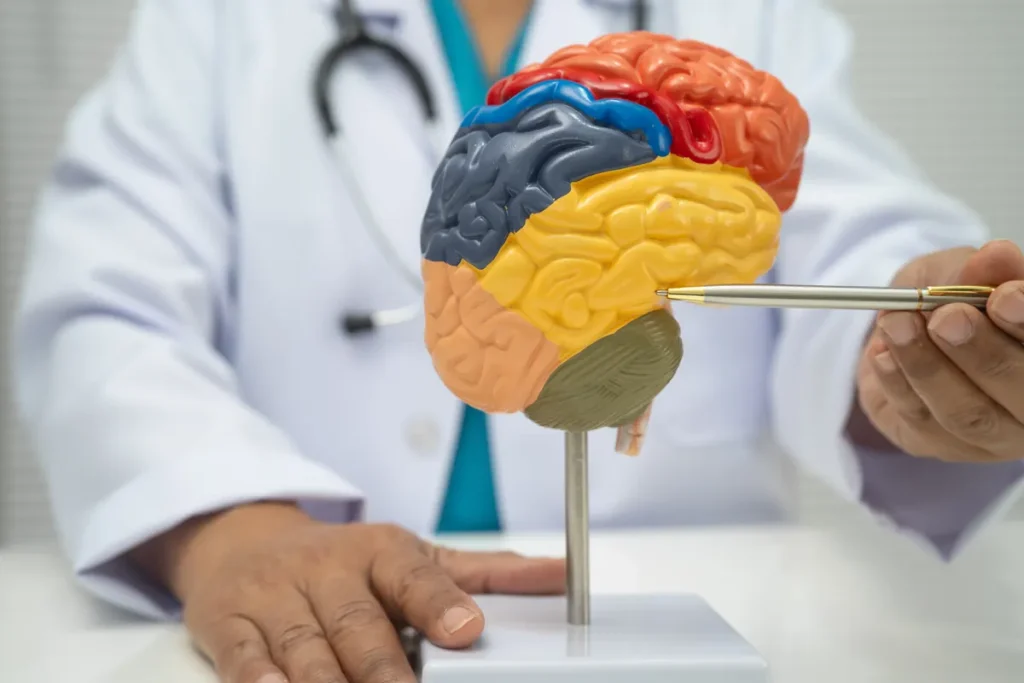
What a brain injury can look like
A traumatic brain injury (TBI) is an injury that affects how the brain works. It can come from a bump, blow, or jolt to the head. It can also come from a hit to the body that snaps the head back and forth, like in a car crash. A concussion is a mild TBI. “Mild” describes the first injury, not how hard life can be afterward.
According to the CDC, common signs include:
| Type | What people notice |
|---|---|
| Physical | Headaches, dizziness, balance problems, nausea, blurry vision, sensitivity to light or noise, feeling tired |
| Thinking | Trouble focusing, feeling slowed down or foggy, memory problems |
| Emotions | Anxiety, irritability, sadness, feeling more emotional |
| Sleep | Sleeping much more or less than usual, trouble falling asleep |
Two things the CDC points out matter a lot in a legal case. Some symptoms don’t start for hours or days. And people with a brain injury may not notice their own problems. That’s why what family and coworkers see is often key evidence. More on brain injury symptoms, concussions after a car crash, and personality changes after a brain injury.
Call 911 or go to the ER right away if you see any of the CDC’s danger signs. They include a headache that keeps getting worse, weakness or numbness, and repeated vomiting. Also watch for a seizure, slurred speech, confusion, pupils of different sizes, or someone who can’t be woken up.
How brain injuries happen
Brain injuries are common and serious. If you have one, you are far from alone.
Traumatic brain injuries in the U.S., per day
The brain injury cases we handle come from situations like these:
- Car crashes, including rear-end crashes where the head whips forward and back. See car accident cases and brain injuries from car crashes.
- Truck crashes, where a heavy truck hits with far more force than a car. Read about truck crash cases.
- Motorcycle crashes, even when the rider wore a helmet. See motorcycle cases.
- People walking or biking who were hit by a car. See pedestrian cases and bicycle cases.
- Falls on unsafe property, like a broken stair or an icy walkway nobody cleared. See slip and fall cases.
Why brain injury claims are hard, and how we prove them
Insurance companies push back hard on brain injury claims, and you may feel they don’t believe you. A broken arm shows up on an X-ray. Memory problems, headaches, and mood changes are harder to show, and the other side will say they came from something else. That’s why we build the proof early:
- Medical records from day one, including the ER visit and every follow-up.
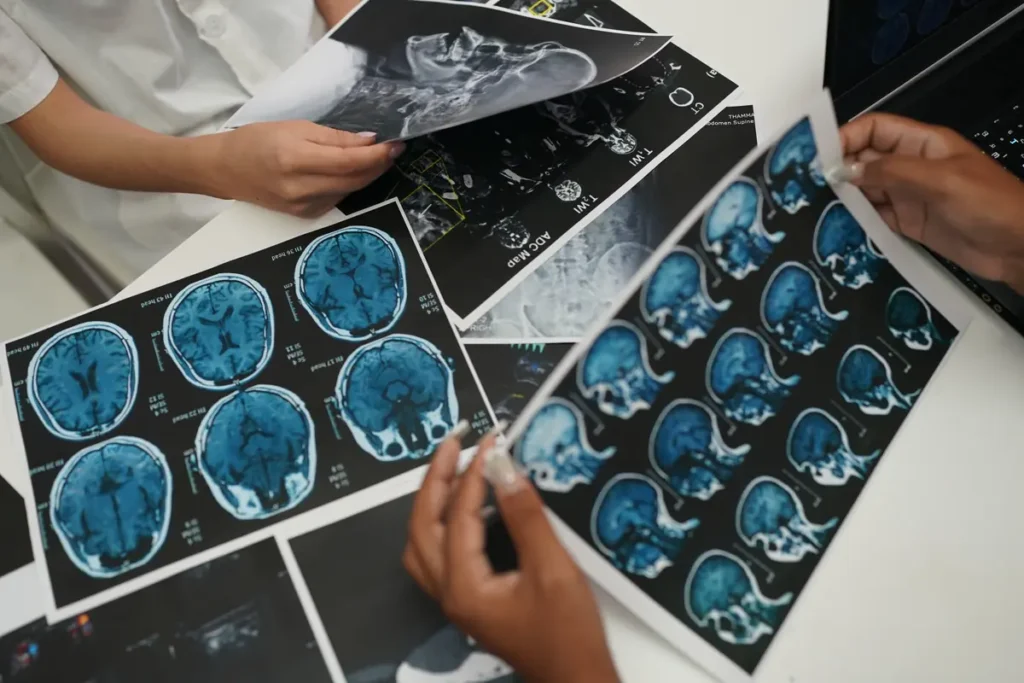
- Testing by the right specialists, such as a neurologist or a neuropsychologist who tests memory and thinking.
- People who knew you before. Family, friends, and coworkers can describe the changes you may not notice yourself.
- Work records that show missed days, lost promotions, or a job you can no longer do.
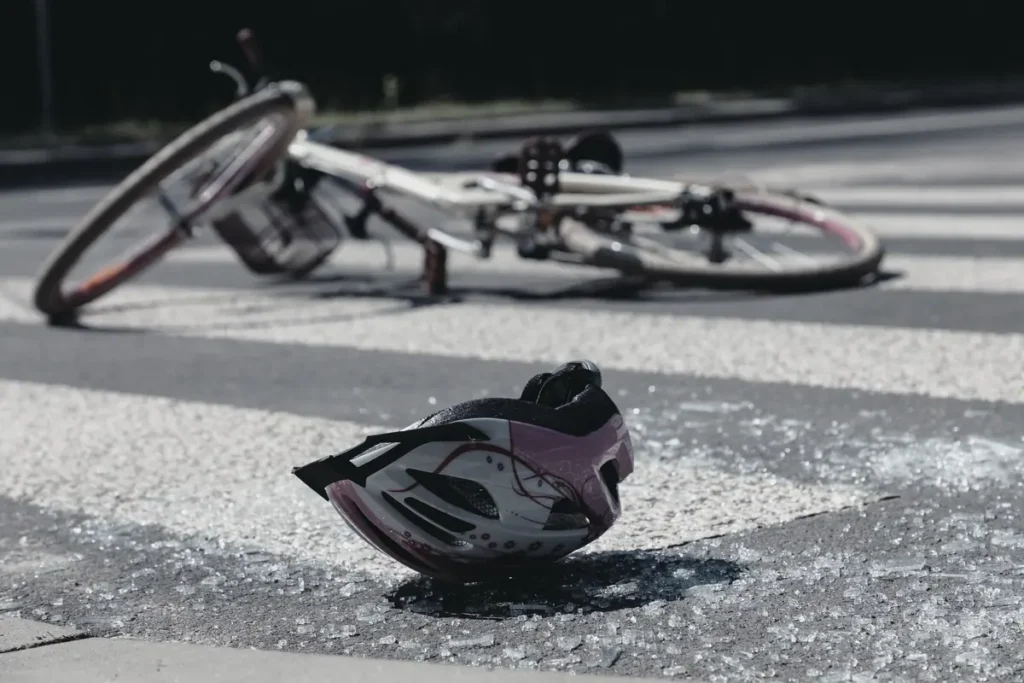
- The crash evidence: photos, the police report, vehicle damage, a cracked helmet, and video.
Washington uses comparative fault (RCW 4.22.005). If the insurer blames you for part of the crash, your recovery goes down by that share, but it isn’t wiped out. We push back on blame that the evidence doesn’t support.
What a brain injury case can recover
A brain injury can last for years, so your claim has to look ahead, not just back. A Washington brain injury lawyer should count all of these losses:
| Loss | Examples |
|---|---|
| Medical care | ER and hospital bills, specialists, therapy, medication, and care you’ll need in the future |
| Lost income | Missed work now, and lost earning power if you can’t go back to the same job |
| Help at home | Care and household help you need because of the injury |
| Pain and changed life | Headaches, memory loss, mood changes, and the things you can’t do anymore |
| Family losses | In some cases, losses to a spouse or children, and claims for a death |
Every case is different, and we can’t promise an amount. We can promise to count every loss. If the worst happened, see our page for families on wrongful death claims.
Washington rules that matter in a brain injury case
| Rule | What it means for you |
|---|---|
| Deadline to sue | Usually 3 years from the injury (RCW 4.16.080) |
| Children and people who can’t manage their case | The clock doesn’t run while the injured person is under 18, or is too disabled to understand the case (RCW 4.16.190) |
| Settlements for a child or an incapacitated adult | A court must review and approve the settlement, often with a settlement guardian ad litem (SPR 98.16W) |
| A city, county, or the state is at fault | File a claim form first, then wait 60 days before suing (RCW 4.96.020) |
| Early medical bills | Your PIP coverage can pay first, no matter who caused the crash (RCW 48.22.095) |
| The other driver has too little insurance | Your underinsured motorist coverage can pay the rest (RCW 48.22.030) |
Brain injuries often cost more than the minimum $25,000 a driver must carry. That’s why finding every policy matters. Read how PIP works and how underinsured motorist coverage helps.
What to do after a head injury
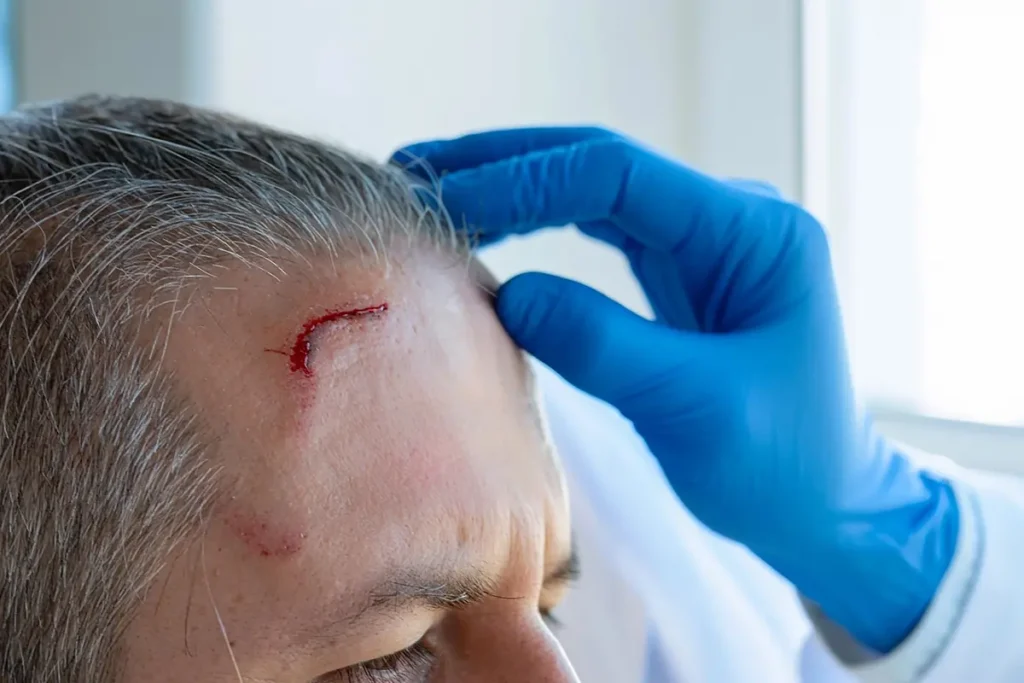
- Get checked, even if you feel fine. Tell the doctor you hit your head or were jolted.
- Follow the treatment plan. Rest when told to, and go to every follow-up.
- Keep a symptom journal. Headaches, sleep, memory slips, and mood. Ask family to add what they notice.
- Save the evidence. Photos, the police report number, and a damaged helmet. Don’t throw it away.
- Be careful with insurance calls. Don’t give a recorded statement or sign a release before you know how you’re healing.
- Talk to a lawyer early. Evidence and witness memories fade.
Help for survivors and families in Washington
Seattle’s Harborview Medical Center is Washington’s only Level I trauma center for both adults and children (UW Medicine). People with the most serious injuries from crashes around Bellevue, Seattle, and Tacoma are often taken there.
Support doesn’t stop at the hospital. Washington has a Traumatic Brain Injury Council set up by state law (chapter 74.31 RCW). Washington 211 can connect survivors and caregivers with brain injury services, and the Brain Injury Alliance of Washington offers support groups and classes. See also the stages of brain injury recovery and physical therapy after a brain injury.
Why people call Rich Martin
- One lawyer, start to finish. Rich handles your case himself. You won’t be passed around.
- Trial experience. More than 30 jury trials, including brain injury cases decided by a jury.
- Patience. We don’t rush a brain injury case to settle before the full picture is known.
- Two offices, in Bellevue and Tacoma. We speak English and Korean.
Rich has won brain injury cases from car crashes and pedestrian crashes, including two jury verdicts. You can see some of those results below. We help people with brain injuries in Bellevue, Seattle, Tacoma, Everett, and the cities in between.
Talk to a Washington brain injury lawyer
The first call is free, and it’s just a conversation. No Win, No Fee: if there’s no recovery, you owe us nothing. Call (425) 635-2000 or send us a message. If the injured person can’t call, a family member can.
Brain Injury: results for our clients
Past results don't guarantee future results. Every case is different. See all results →

Your attorney: Rich Martin
28 years. More than 2,000 injury cases. More than 30 jury trials. When you call, you talk to Rich, and he handles your case himself.
About Rich Martin →Find help in your city
Common questions
What does No Win, No Fee mean?
You pay nothing up front. Our fee comes out of the money we win for you. No hourly bills. No retainer. If we don't win, you owe us nothing. Not even the case costs.
How long do I have to file a brain injury case in Washington?
Usually three years from the injury (RCW 4.16.080). The clock doesn't run while the injured person is under 18, or is too disabled to understand the case. Claims against a city, county, or the state need a claim form and a 60-day wait first. Call early so nothing is missed.
What if I hit my head but felt fine at first?
Get checked anyway. The CDC says some symptoms don't start for hours or days, and people with a brain injury may not notice their own problems. A doctor's visit soon after the crash also helps prove the injury came from it.
Can a family member call for someone with a brain injury?
Yes. Many of our first calls come from a spouse, parent, or adult child. If the injured person can't manage the case, we explain how a guardian or the court's settlement review works.
Does a child's brain injury settlement need court approval?
Yes. In Washington, a court must review and approve a settlement for a minor or an incapacitated adult, often with a settlement guardian ad litem (SPR 98.16W). It protects the money for the injured person.
What if the insurance company says my symptoms aren't from the crash?
That's common. We answer it with medical records from day one, testing by specialists, and the people who saw how you changed. Washington juries decide how much a brain injury is worth, and there's no cap on pain and suffering.
Do I need a brain injury lawyer if the insurer already made an offer?
You don't have to hire one. But early offers usually come before anyone knows how long the injury will last. Once you sign a release, the claim is over. A free review can tell you whether the offer covers your future needs.
Talk to a lawyer today. The call is free. Call (425) 635-2000.
Helpful articles

Physical Therapy After Brain Injury
Physical Therapy for Brain Injury: What Washington Families Need to Know About Recovery, Rights, and Rehabilitation A traumatic brain injury (TBI) can change your…

10 Stages of Brain Injury Recovery – What Victims and Families in Washington Need to Know
A traumatic brain injury (TBI) can change a life in seconds. One moment you’re commuting on I‑405, working on a construction site in Bellevue,…

Brain Traumatic Injury Symptoms Guide
A blow to the head can change a life in seconds. Whether it happens in a crash on I‑405, a fall at a Bellevue…