
Physical Therapy for Brain Injury: What Washington Families Need to Know About Recovery, Rights, and Rehabilitation
A traumatic brain injury (TBI) can change your life in seconds. From the moment of impact, the path to recovery is often long and uncertain — and physical therapy for brain injury is one of the central pillars of regaining independence.
One moment you’re driving through Bellevue, heading home from work. The next, you’re waking up in a hospital room with headaches, confusion, dizziness, or worse — unable to walk steadily or think clearly. For many Washington families, brain injuries happen because of car crashes, falls, workplace accidents, sports injuries, or acts of violence. Residents in nearby Seattle often face the same risks, and rural and suburban communities across King County share similar recovery challenges.
Recovery doesn’t end when you leave the emergency room. That’s often when the hardest part begins.
Physical therapy for brain injury can restore mobility, improve balance, reduce pain, and help victims regain independence. Yet many injured people don’t know what therapy should include, how long it should last, or what to do if insurance refuses to pay.
At R Martin Law Group, we’ve worked with countless Bellevue and King County families facing the physical, emotional, and financial consequences of serious brain injuries. This guide explains:
- How common brain injuries are in Washington
- What physical therapy actually does after TBI
- How rehabilitation affects long-term outcomes
- What legal rights injured victims have
- How insurance companies handle TBI claims
- Practical steps to protect your health and your case
If you or a loved one is navigating brain injury recovery, this information is for you — and you don’t have to figure it out alone.
👉 Looking for a Personal Injury Lawyer Near Bellevue, WA? Contact R Martin Law Group today for a free consultation.

The Scope of Brain Injury in Washington State
Traumatic brain injuries are more common — and more serious — than many people realize.
According to the Washington State Department of Health (2022 data reported to the Legislature):
- There were 34,000+ combined injuries and deaths from TBI in Washington in a recent year.
- Leading causes include:
- Falls
- Motor vehicle crashes
- Firearms (including suicide)
- Assault/homicide
Falls are the leading cause of TBI-related hospitalizations and emergency visits in Washington.
Nationally, the CDC reports:
- Approximately 176 Americans die each day from TBI-related injuries (2020 data)
- More than 223,000 TBI-related hospitalizations occurred in 2019
Older adults are particularly vulnerable. Washington data shows that adults over 75 face dramatically higher hospitalization rates for TBI.
Car crashes also play a major role. The NHTSA has reported that brain injuries are present in a large percentage of fatal side-impact crashes.
Behind these numbers are neighbors and families across Bellevue, Redmond, Kirkland, and King County coping with long-term disability. If this feels overwhelming, remember: understanding the scope is the first step toward getting help.
👉 Injured in Bellevue? Contact R Martin Law Group today for a free consultation.
What Is physical therapy for brain injury?
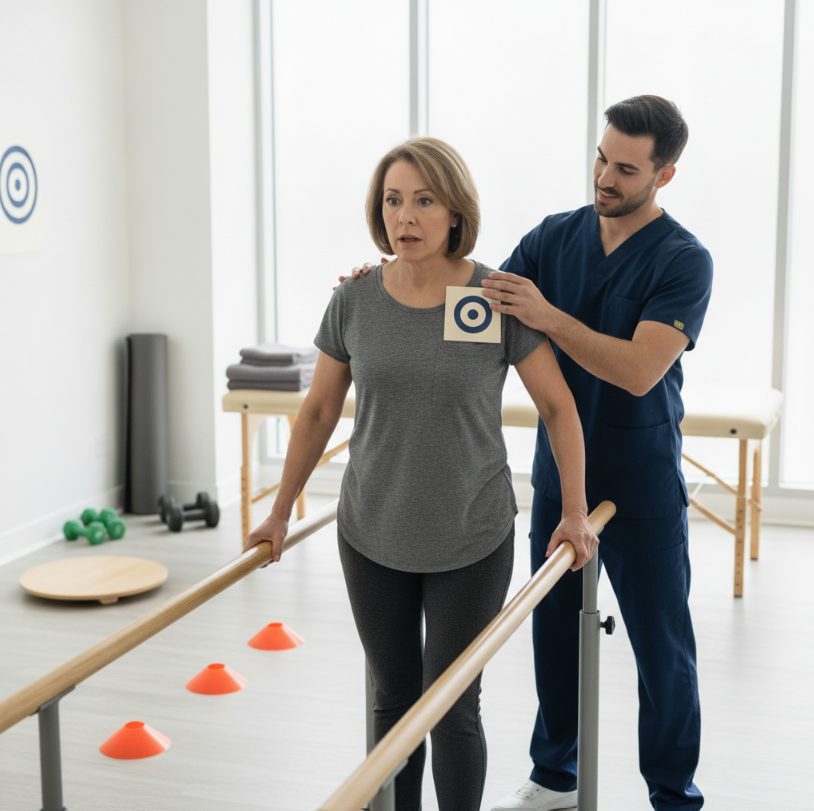
Physical therapy after a traumatic brain injury focuses on restoring movement, balance, strength, and coordination. In this section we cover what to expect, including the specific therapies that can treat common post-concussive problems.
Brain injuries often affect:
- Walking and mobility
- Balance and fall risk
- Muscle strength
- Coordination
- Vision and spatial awareness
- Endurance
- Neck and back function
Even a “mild” concussion can cause persistent dizziness and balance problems. Moderate to severe TBIs may leave a person unable to stand or walk independently.
Goals of Physical Therapy for TBI
A physical therapist may work on:
- Balance training – Reducing fall risk
- Gait retraining – Helping patients walk safely
- Strength building – Especially in weakened limbs
- Vestibular therapy – Addressing dizziness and visual instability
- Endurance training – Improving stamina
- Pain management techniques
If you’re wondering what types of physical therapy treat vestibular dysfunction after concussion, vestibular rehabilitation (a PT specialty) is often the primary approach. It includes eye-head coordination exercises, habituation drills, and balance tasks that retrain the inner ear and brain to work together.
In more serious cases, therapy begins in the hospital (inpatient rehab) and continues for months or years in outpatient settings. Early and consistent intervention often leads to better mobility and greater independence — a practical reason to seek PT as soon as it’s recommended.
Rehabilitation Outcomes: Does Physical Therapy Make a Difference?
Yes — when patients receive comprehensive rehabilitation, outcomes improve significantly.
A Washington State study of 797 work-related TBI cases in the Industrial Insurance Fund found:
- 53.5% resulted in temporary disability
- 31.1% resulted in permanent disability
- Only 48% of surviving cases had a formal medical rehabilitation phase
That means more than half did not receive structured rehab, despite significant disability rates.
Among those referred to vocational rehabilitation (return-to-work services), approximately 65% achieved employment or employable status when outcomes were known.
Two clear takeaways emerge:
- Access to rehabilitation — including physical therapy — is not guaranteed.
- When rehabilitation is properly provided, functional outcomes improve.
Early, aggressive, and consistent therapy often leads to better mobility and independence. If you can arrange and document that care, it can make a measurable difference in recovery. This is true for families in Bellevue and nearby communities such as Seattle and Issaquah.
👉 Need help understanding your legal rights? Visit our Bellevue injury attorney page.
Key Legal Issues for Brain Injury Victims in Washington
When a brain injury is caused by someone else’s negligence — such as a reckless driver, unsafe property owner, or careless employer — the victim has the right to pursue compensation.
Washington Personal Injury Law Basics
Under Washington law, injured victims may recover compensation for:
- Medical expenses (past and future)
- Rehabilitation costs (including PT)
- Lost wages
- Loss of earning capacity
- Pain and suffering
- Emotional distress
- Loss of enjoyment of life
Washington follows a pure comparative fault rule, meaning you can recover damages even if you were partially at fault — but your compensation may be reduced by your percentage of responsibility.
Statute of Limitations
In most Washington personal injury cases, you have three years from the date of injury to file a lawsuit (RCW 4.16.080). Missing this deadline can permanently bar recovery. If your case involves King County court processes, the King County Superior Court will be part of scheduling and filing procedures.
Brain injury cases are complex and often require:
- Neurologist testimony
- Neuropsychological testing
- Physical therapy projections
- Life-care planning experts
An experienced attorney can coordinate these elements so the full cost of long-term rehabilitation is included in any claim. Getting that coordination early protects both your health and your legal rights.
Real-World Example: A Bellevue Car Crash TBI Case
Imagine a 42-year-old software engineer rear-ended at high speed on I‑405.
Initially diagnosed with a concussion, she later develops:
- Chronic headaches
- Balance instability
- Sensitivity to light
- Neck weakness
- Fatigue after minimal exertion
Her physical therapist identifies vestibular dysfunction and gait instability. She requires:
- 6 months of vestibular therapy
- Strength training
- Ergonomic retraining
- Ongoing neurological monitoring
Her insurance company initially argues that her symptoms should have resolved within weeks.
Without legal representation, she might accept a low settlement before realizing the long-term cost of therapy.
With proper documentation from medical providers and legal advocacy (including how to document physical therapy progress for a brain injury insurance claim), future therapy costs, reduced earning capacity, and non-economic damages can be accurately valued. That kind of thorough approach helps ensure recovery needs are not shortchanged.
The Role of Insurance Companies in TBI Claims
Insurance companies often challenge brain injury cases because:
- TBIs can be “invisible injuries”
- Imaging doesn’t always show damage
- Symptoms fluctuate
- Recovery timelines vary
Common insurance tactics include:
- Claiming symptoms are unrelated
- Blaming pre-existing conditions
- Minimizing future therapy needs
- Pressuring early settlement
If your insurer denies coverage, you may need to pursue an appeal. Asking whether you can appeal an insurance decision and understanding the process is critical — many victims have success when appealing insurance denial for long term rehabilitation after traumatic brain injury by combining medical records, PT treatment plans, and life-care cost projections.
This is particularly dangerous in TBI cases because symptoms sometimes worsen weeks or months later. You don’t have to navigate those tactics alone — experienced representation can preserve your access to needed care.
👉 Ready to speak with an attorney? Schedule a consultation with R Martin Law Group today.
Risks, Delays, and Long-Term Consequences
Failing to receive proper physical therapy can lead to:
- Permanent mobility limitations
- Increased fall risk
- Muscle atrophy
- Chronic pain
- Reduced independence
- Depression and anxiety
Delayed treatment can also weaken a legal claim. Insurance companies may argue that gaps in therapy indicate the injury wasn’t serious.
Brain injury recovery is rarely linear. Setbacks are common. Continued documentation is critical — keeping careful records protects both your health and your case.
Prevention and Next Steps for Victims
If you suspect a brain injury:
- Seek immediate medical care.
- Follow up with specialists.
- Ask about physical therapy evaluation.
- Keep records of all symptoms.
- Avoid signing insurance releases without legal review.
If you are seeking physical therapy for brain injury in Bellevue Washington resources, start with your primary care or hospital discharge team and ask for referrals to licensed vestibular and neuro-rehabilitation therapists. Local outpatient clinics in Bellevue and Redmond can provide ongoing PT and community support.
Families should also monitor behavioral and balance changes — especially in elderly loved ones after falls. Taking these steps early helps ensure you get the care and support needed for the best possible recovery.
Brain Injury Claim & Rehabilitation Checklist
| Step | Action | Why It Matters |
|---|---|---|
| 1 | Emergency evaluation | Documents initial injury and protects health |
| 2 | Neurological follow-up | Identifies cognitive or balance issues |
| 3 | Physical therapy assessment | Addresses gait, strength, vestibular issues |
| 4 | Consistent treatment attendance | Improves outcomes and supports legal claim |
| 5 | Legal consultation | Protects right to full compensation |
| 6 | Future care planning | Ensures long-term therapy costs are covered |
Frequently Asked Questions About Physical Therapy for Brain Injury
1. How long does physical therapy last after a brain injury?
It depends on severity. Mild TBIs may require weeks to months. Moderate to severe injuries can require years of therapy, sometimes intermittently over a lifetime. Many patients ask specifically, “how long does physical therapy last after traumatic brain injury?” — the honest answer is: it varies by individual, injury severity, and functional goals.
2. What if insurance stops paying for therapy?
Insurance companies may impose arbitrary caps. If another party caused the injury, a personal injury claim can seek compensation for future rehabilitation costs. If coverage is denied, consider the process for appealing coverage decisions, including formal appeals and legal options.
3. Can physical therapy help with dizziness after a concussion?
Yes. Vestibular rehabilitation is a specialized form of PT that addresses dizziness, balance problems, and visual instability common after concussions. If you’re asking what types of physical therapy treat vestibular dysfunction after concussion, vestibular PT and gaze-stabilization exercises are common, evidence-based approaches.
4. Is rehabilitation different for elderly TBI patients?
Yes. Older adults have higher fall risks and often require more intensive balance training. Washington data shows seniors are disproportionately hospitalized for TBI.
5. Can I recover lost wages if I can’t return to work?
Yes. Washington law allows recovery for lost income and diminished earning capacity when injuries prevent a return to prior employment.
6. Do I need a lawyer for a brain injury claim?
Brain injury claims are medically and legally complex. Because symptoms can be invisible and long-term costs substantial, legal guidance significantly improves the likelihood of full compensation. An attorney can also advise on how to document physical therapy progress for a brain injury insurance claim and next steps if you face denials.
If you have more questions, a consultation can help clarify what your case needs.
Protecting Your Recovery and Your Future
Physical therapy is not optional after a serious brain injury — it is often the key to regaining independence, mobility, and dignity.
Washington State faces tens of thousands of TBI cases each year. Many victims never receive adequate rehabilitation. Others face insurance resistance that threatens access to ongoing care.
If someone else’s negligence caused your brain injury, you deserve compensation that reflects:
- The true cost of therapy
- Future medical needs
- Lost earning potential
- Pain and suffering
- The impact on your family
At R Martin Law Group, we understand the medical complexity of traumatic brain injuries and the emotional weight families carry during recovery. Our Bellevue-based team is committed to helping injured victims secure the resources they need for long-term rehabilitation.
If you’re exploring options for care or questioning coverage, and need help appealing or documenting a claim (for example, seeking guidance on appealing insurance denial for long term rehabilitation after traumatic brain injury), contact us — you don’t have to do this alone.
👉 Injured in Bellevue? Contact R Martin Law Group today for a free consultation.
Keep reading

Does Medical Insurance Cover Car Accidents
On this pageDoes Medical Insurance Cover Car Accidents in Washington State?Background: Who Pays Medical Bills After a Car Accident?What Is PIP Coverage in Washington?Does…

Do Men or Women Crash More?
On this pageDo Men or Women Get in More Car Accidents? What the Latest Data Means for Washington DriversDo men or women get in…

Uninsured Motorist Coverage WA Essentials
Uninsured motorist coverage WA should be one of the first items Bellevue drivers check on their policy. Every time you drive through Bellevue—whether along…