
Washington is a great place to ride, until a driver doesn’t look. A right hook at a corner, a car door flung open, a pickup passing too close on a two-lane road. Rich Martin is a Washington bicycle accident lawyer with 28 years of injury cases behind him. His results for cyclists include a $9.25 million settlement for a rider with a spinal injury, reached during trial, and an $850,000 jury verdict for a cyclist left with tinnitus.
Past results don’t guarantee future results. Every case is different. This page covers the state laws that protect riders, how insurance works for cyclists, and what to do after a crash.
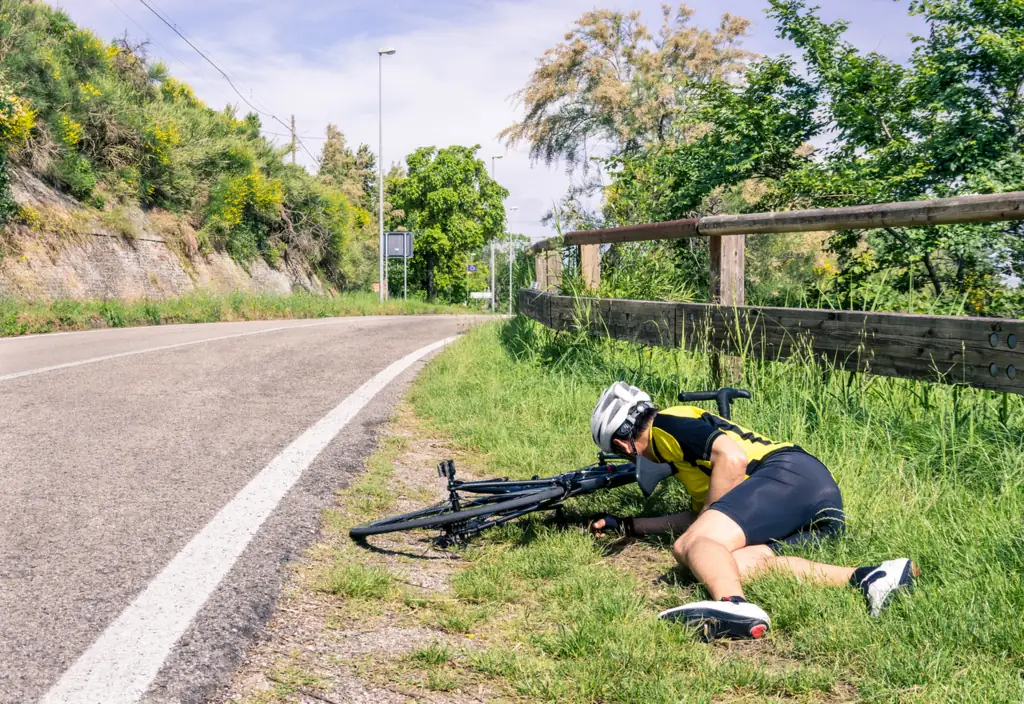
Washington bike crashes by the numbers
Bicyclists killed in Washington traffic crashes
Deaths are only part of the picture. For every rider killed, many more are hurt: broken collarbones and wrists, head injuries, and spinal injuries that change a life.
The laws that protect riders
Washington treats a bicycle as a vehicle with most of the same rights as a car, plus a few rules written just for riders. These come up again and again in claims:
| Rule | What it says | Law |
|---|---|---|
| Passing a rider | On a road with two or more lanes your way, drivers must move completely into the next lane. On a one-lane road, they must slow down and pass at least 3 feet away where they can, or wait until it’s safe to move into the oncoming lane | RCW 46.61.110 |
| Opening car doors | No one may open a door on the traffic side until it’s reasonably safe | RCW 46.61.620 |
| Stop signs | A rider may stop, or treat a stop sign like a yield sign. Not at railroad crossings or school bus signals | RCW 46.61.190 |
| Lane position | Slower riders keep as far right as is safe, with exceptions. Riders may use the shoulder or a bike lane. No more than two abreast | RCW 46.61.770 |
| Crosswalks | Drivers must stop for a bicycle in a crosswalk, just as for a person walking | RCW 46.61.235 |
| Lights at night | A white front light visible from 500 feet and a red rear reflector. A red rear light may be added | RCW 46.61.780 |
A driver who breaks one of these rules hasn’t automatically lost the case. But the rules set the standard. When a driver passes too close or opens a door into a rider, the law is clearly on the rider’s side.
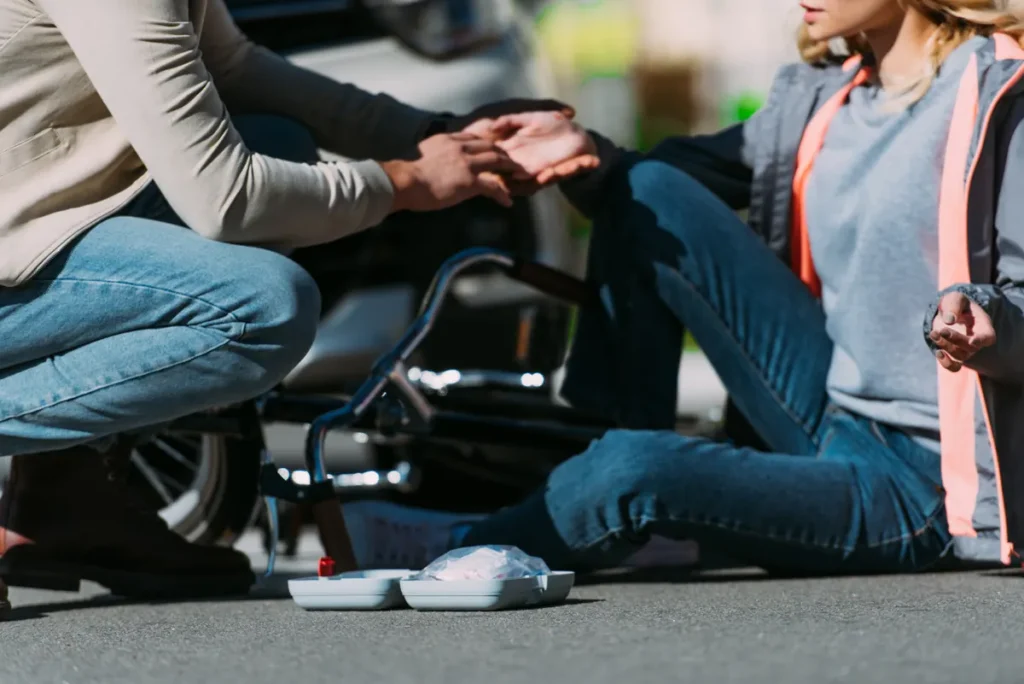
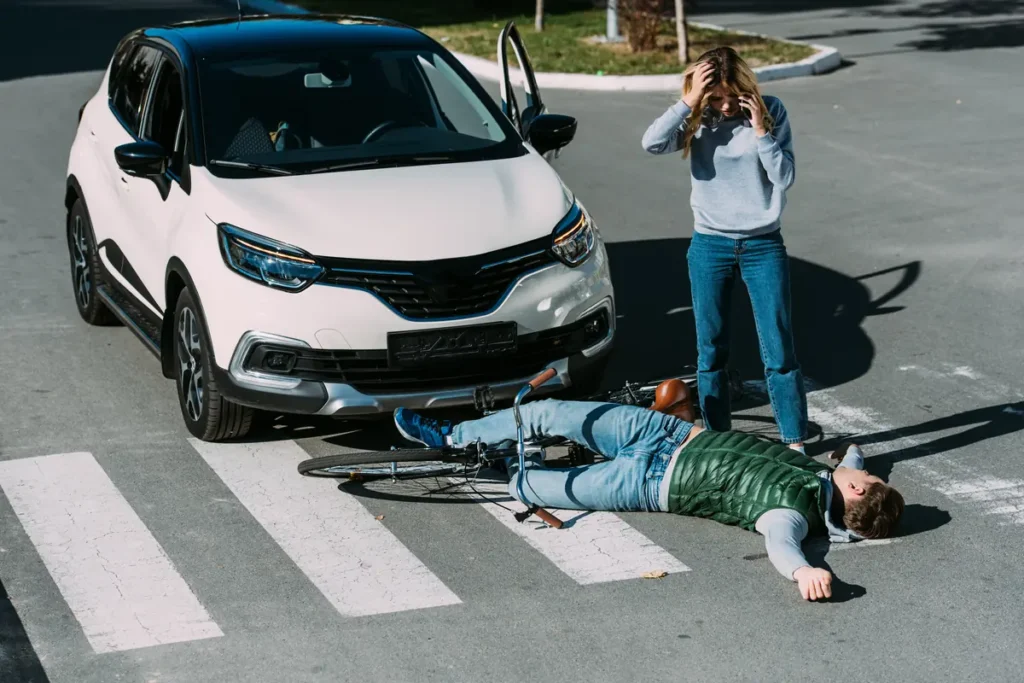
“The rider should have…” and other arguments insurers make
Adjusters often start with the rider. These arguments come up often. Here’s what Washington law says back:
- “He rolled the stop sign.” Since 2020, a rider may treat a stop sign as a yield sign. Rolling through, after yielding, can be legal.
- “She wasn’t wearing a helmet.” Washington has no statewide helmet law for adult cyclists, and King County repealed its rule in 2022. A missing helmet may come up for a head injury. It doesn’t excuse the driver.
- “They were riding side by side.” Two abreast is allowed.
- “He should have been on the sidewalk.” Riders have a right to the road.
- “She was partly at fault.” Even then, Washington’s comparative fault rule only reduces the recovery by her share (RCW 4.22.005).
How fault is proven in a bike case
Many bike crashes come down to the rider’s word against the driver’s. The driver is often unhurt and gives the first statement to police. The rider may be on the way to the hospital. That’s why the police report isn’t the last word. When it’s wrong, other evidence can correct it.
- Witnesses, including other riders, people walking, and drivers who stopped.
- Video from helmet cams, doorbell cameras, buses, and businesses along the route.
- Damage to the bike and car, which shows the angle and point of impact.
- The rider’s injuries, which often match how the crash happened.
- GPS and ride data, which can confirm speed, route, and time.
The sooner this evidence is gathered, the stronger it is. Video in particular is often recorded over within days. If you can’t do it yourself, ask a friend or family member to visit the scene, note any cameras, and ask the owners to save the footage. Photos of the road surface, the lane markings, and any parked cars nearby help too.
Insurance: your car policy covers you on your bike
Here’s the rule many riders don’t know. Washington’s PIP law treats anyone who isn’t inside a motor vehicle as a pedestrian (RCW 48.22.005). That includes a person on a bike. So the PIP on your own auto policy, or a household member’s policy, can pay medical bills early, no matter who caused the crash.
| Coverage | Whose policy | What it does |
|---|---|---|
| PIP | Your auto policy or a household member’s | Pays medical bills and some lost wages early, regardless of fault (RCW 48.22.085) |
| Liability | The driver who hit you | Pays your full losses, usually at settlement |
| UIM | Your auto policy | Pays when the driver had too little insurance, none, or fled (RCW 48.22.030) |
| Health insurance | Yours | Covers treatment while the claim is open |
Hit by a driver who fled? Report it to police within 72 hours to keep UIM available. A family member can make the call if you can’t.
How bike crashes usually happen
- Right hooks: a driver passes the rider, then turns right across their path.
- Left crosses: an oncoming driver turns left into the rider.
- Dooring: a parked driver opens a door into the bike lane.
- Close passes and sideswipes on roads without shoulders.
- Driveways and parking lots, with drivers pulling out without looking.
- Rear-end crashes, often from distracted drivers.
- Road and trail hazards: potholes, cracked pavement, and debris. These can lead to a claim against a city, county, or the state.
Read bicycle accidents and safety tips in Washington.
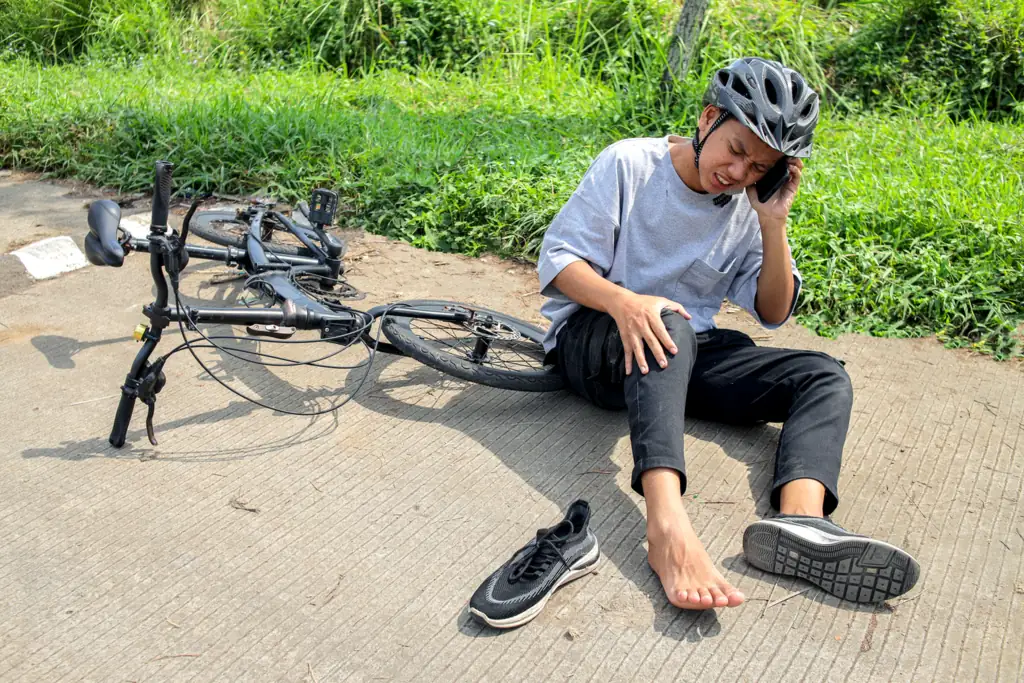
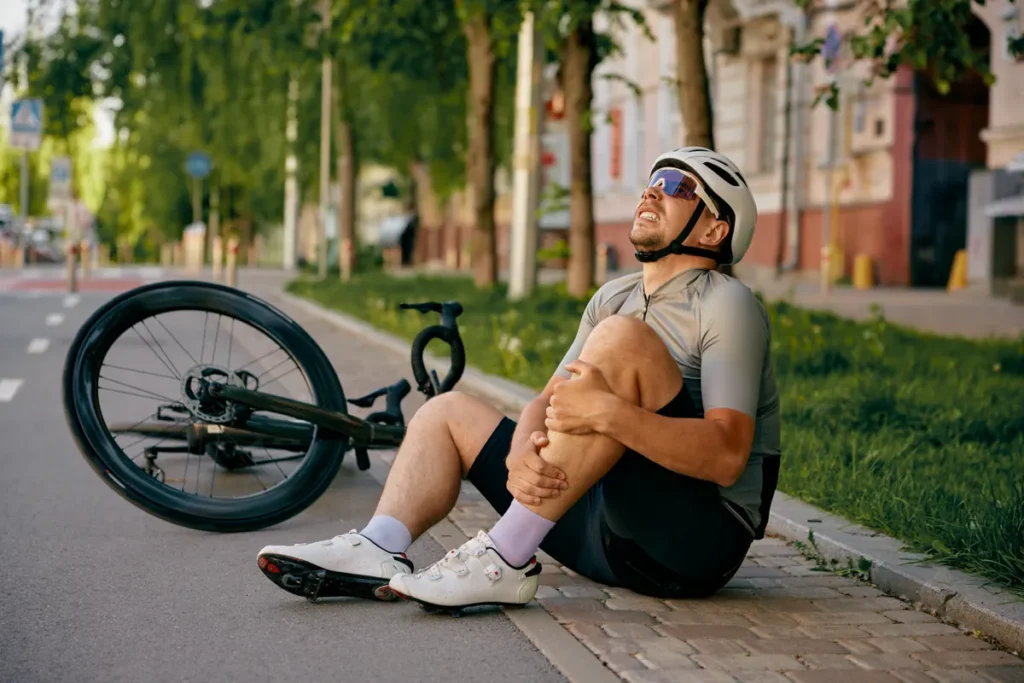
E-bikes have their own rules
Washington sorts e-bikes into three classes, all limited to 750 watts (RCW 46.04.169). Class 1 and 2 bikes stop helping at 20 mph. Class 3 bikes assist up to 28 mph and must have a speedometer. Class 3 bikes can’t be ridden on shared-use paths unless the local government allows it (RCW 46.61.710), and riders under 16 can’t operate them (RCW 46.20.500).
An e-bike rider hit by a car has the same basic rights as any cyclist. But insurers may question speed, class, and where the rider was. A 2026 change says a bike that can easily be set up to go faster than these limits isn’t an e-bike under the law. Keep the bike as it is after a crash, so its class and settings can be confirmed.
Common bike crash injuries
A rider usually hits twice: once against the car, once against the ground.
- Head and brain injuries, even with a helmet.
- Spinal injuries, which can be permanent.
- Broken collarbones, wrists, elbows, and hips.
- Road rash and scarring.
- Hearing injuries, like tinnitus after a head impact.
- Knee and shoulder damage that ends a rider’s season, or their riding for good.
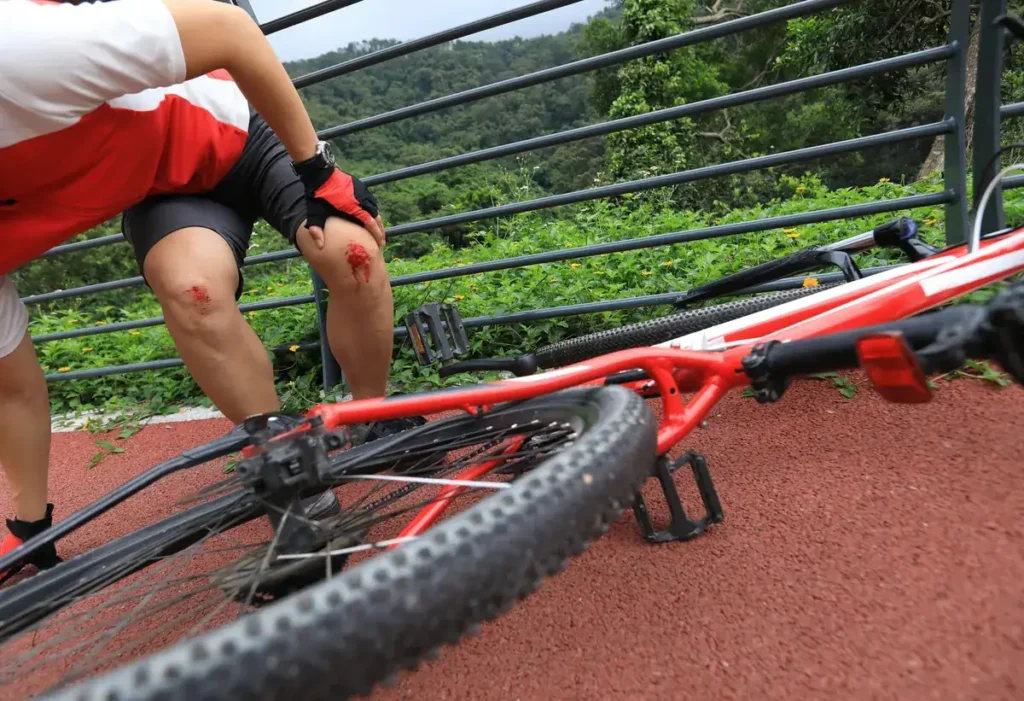
After a crash: protect your claim
- Call 911 and get checked, even if you feel okay.
- Photograph everything: the bike, the car, the road, your injuries, and the lane markings.
- Don’t fix the bike or throw away the helmet. Damage shows how the crash happened.
- Save your ride data. GPS apps and bike computers can show your speed and route.
- Save camera footage from a helmet cam or bike light camera, and ask nearby businesses to keep theirs.
- Get witness names and numbers.
- Don’t give the driver’s insurer a recorded statement.
Read dealing with the aftermath of a bicycle accident.
Crashes on trails and with other riders
Not every bike crash involves a car. Riders collide with other riders, with dogs on long leashes, and with people stepping onto a trail without looking. A trail can also have its own hazards, like a broken surface or a blind curve with no warning.
These cases are different, but they can still be paid. Another rider or a dog owner may have homeowner’s or renter’s insurance that covers the harm they cause. A dangerous trail can lead to a claim against the agency that maintains it. Read about personal injury claims for bicyclists.
What a cyclist’s claim can include
- Medical care, now and in the future, including surgery and therapy.
- Lost income, and lower earning power if you can’t return to the same work.
- Pain, scarring, and lost enjoyment, including the rides, races, and commutes you’ve had to give up.
- Your bike and gear: the real replacement cost of the bike, plus helmet, lights, clothing, shoes, and any computer or camera.
Delivery vans and work trucks hit riders too. Those claims can involve a company’s insurance. See commercial vehicle claims involving cyclists.
Kids on bikes
Children ride to school, to friends’ houses, and around the block. When a child is hurt, the law gives extra time: the usual three-year deadline doesn’t start until the child turns 18 (RCW 4.16.190). Parents can also have their own claim for medical bills. Still, the best evidence is gathered early, so it pays to call soon.
Deadlines
Adults usually have three years from the crash to file (RCW 4.16.080). Claims against a city, county, or other local government need a claim form first and a 60-day wait (RCW 4.96.020). If a trail or road defect caused the crash, that clock matters. A Washington bicycle accident lawyer can check which deadlines apply to you.
Bicycle accident help in your city
Local pages cover riders in Seattle, Bellevue, Tacoma, and Everett, with the trails, corridors, and claim offices in each. Riding somewhere else? Pick your city from the list below.
Talk to a Washington bicycle accident attorney
You did everything right, and a driver still hit you. Let us deal with the insurers while you heal. The call is free, and No Win, No Fee means you owe nothing if we don’t win. Call (425) 635-2000 or send us a message.
Bicycle Accidents: results for our clients
Past results don't guarantee future results. Every case is different. See all results →

Your attorney: Rich Martin
28 years. More than 2,000 injury cases. More than 30 jury trials. When you call, you talk to Rich, and he handles your case himself.
About Rich Martin →Find help in your city
Common questions
What does No Win, No Fee mean?
You pay nothing up front. Our fee comes out of the money we win for you. No hourly bills. No retainer. If we don't win, you owe us nothing. Not even the case costs.
Does my car insurance cover me if I was hit on my bike?
Often, yes. Washington's PIP law treats a cyclist as a pedestrian, so PIP on your auto policy, or a household member's, can pay medical bills. UIM can apply too.
Do I have to wear a helmet in Washington?
There's no statewide helmet law for adult cyclists, and King County repealed its rule in 2022. Some cities have their own rules. Not wearing one doesn't stop you from bringing a claim.
How much room must a driver give a cyclist?
On a one-lane road, drivers must slow down and pass at least 3 feet away where they can. On roads with two or more lanes in their direction, they must move fully into the next lane.
Can I bring a claim if I was on an e-bike?
Yes. E-bike riders have the same basic rights. Keep the bike as it is so its class and settings can be confirmed.
Why hire a Washington bicycle accident lawyer?
Insurers often blame riders. A lawyer gathers the evidence, finds every policy, and handles the insurers. The first call is free.
Talk to a lawyer today. The call is free. Call (425) 635-2000.
Helpful articles

Bellevue Bicycle Crash Statistics
Bicycle vs. Car Accident Statistics: What Bellevue Cyclists Need to Know in 2026 Cycling is a way of life in Bellevue and across King…
Can Cyclists Treat Stop Signs as Yields in Wa?
Can cyclists treat stop signs as yields in WA? If you’ve driven or biked through Bellevue lately — or cruised nearby in Seattle —…
Commercial Vehicle Accident Claims Involving Pedestrians and Bicyclists in WA
When a commercial vehicle accident occurs involving a pedestrian or bicyclist, the results can be devastating. In the bustling urban environment of Bellevue and…