

Do Men or Women Get in More Car Accidents? What the Latest Data Means for Washington Drivers
If you’ve ever heard someone say, “Men are worse drivers,” or “Women get into more fender-benders,” you’re not alone. But do men or women get in more car accidents — and what does the actual data show for drivers and injury victims in Bellevue, nearby Seattle, and throughout Washington State?
More importantly, what do those statistics mean for drivers and injury victims in Bellevue and throughout Washington State?
The short answer is this:
- Men are involved in more car accidents overall — and far more fatal crashes.
- Women, however, are more likely to be injured when a crash occurs.
That distinction matters. If you’ve been hurt in a collision, what determines your legal claim isn’t stereotypes — it’s liability, injury severity, and insurance coverage. Keep those priorities front and center.
In this in-depth guide, we’ll break down:
- The latest U.S. and Washington crash statistics
- Why men are involved in more fatal crashes
- Why women face higher injury risks
- How insurance companies evaluate claims
- What Bellevue injury victims should do after a crash
And if you’ve been hurt in a collision, remember:
👉 Looking for a Personal Injury Lawyer Near Seattle, WA? Contact R Martin Law Group today for a free consultation.

Do men or women get in more car accidents — National Crash Statistics: What the Data Shows
According to the National Highway Traffic Safety Administration (NHTSA) and recent federal crash data:
🚗 Overall Crash Involvement
A major national crash causation survey found:
- 54% of crash-involved drivers were male
- 45% were female
So yes — men are involved in more crashes overall. Understanding who is involved more often helps explain patterns we see on the road, whether you live in Bellevue, travel to Kirkland or Redmond, or commute across King County.
💥 Fatal Crash Statistics
- Male drivers account for approximately 72% of U.S. traffic deaths
- Men are involved in fatal crashes at about three times the rate of women per mile driven
- Per 100 million miles driven:
- Men: 2.1 deaths
- Women: 1.3 deaths
That means men are about 63% more likely to die in a crash per mile driven. If you’re wondering specifically “how do male and female fatal crash rates compare per mile driven in the US,” these per-mile figures are the comparison researchers use.
These numbers underscore how risk and exposure translate into real-world consequences.
🍺 Alcohol & Speeding Factors
- 22% of male drivers in fatal crashes were alcohol-impaired
- Compared to 16% of female drivers
- Among drivers ages 15–20:
- 37% of male drivers in fatal crashes were speeding
- 18% of female drivers were speeding
The takeaway? Risk-taking behaviors — speeding, impaired driving, aggressive driving — disproportionately involve male drivers. That context matters when looking at both prevention and liability.
👉 Need help understanding your legal rights? Visit our Bellevue injury attorney page.
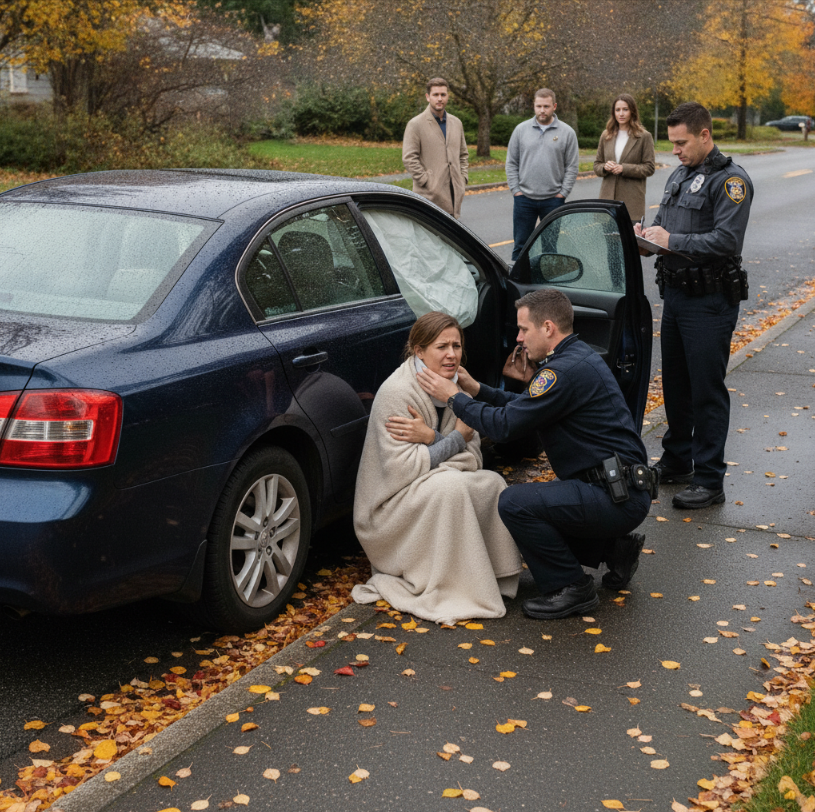
Washington State Data: How Do Men and Women Compare Locally?
National trends largely mirror what we see here in Washington.
According to recent Washington traffic safety data:
- In 2024, 730 people were killed on Washington roads
- 499 were male (68%)
- 223 were female (30%)
That means roughly two-thirds of traffic fatalities in Washington are men.
The Washington Traffic Safety Commission also reports that:
- The traffic fatality rate among males is generally about twice as high as females.
Hospital Admission Data
Washington Department of Health data shows:
- Emergency department visits from crashes:
- 6.3% of male visits resulted in hospital admission
- 4.1% of female visits resulted in admission
This suggests that men are more frequently involved in higher-severity crashes. Locally, those patterns can affect everything from emergency response to how claims are evaluated in Bellevue, Renton, and other nearby cities.
If you’re involved in a crash in Washington, thorough documentation is essential.
Women Are More Likely to Be Injured in a Crash
Although men crash and die more often, NHTSA research shows:
- Women had higher odds of injury in 120 out of 150 crash models studied
- Women had statistically significant higher injury risk in 39 models
- Men did not have significantly higher injury odds in any model
Women are particularly more vulnerable to:
- Moderate-to-serious injuries (MAIS 2+ and 3+)
- Rib fractures
- Extremity injuries (arms and legs)
Why?
- Differences in body structure and muscle mass
- Vehicle safety systems historically designed around male crash-test dummies
- Seating position differences
NHTSA has acknowledged that women face higher injury risks in many crash scenarios — and that has influenced calls for more representative crash testing.
If you are asking “why are women more likely to be injured in car crashes in Washington state,” the combination of physiological differences and historically male-centered safety testing is part of the answer, and it affects how injuries are treated and evaluated in claims.
What This Means Legally
For injury claims, this matters.
Insurance companies often try to minimize injuries by arguing:
- “It was just a low-speed crash.”
- “The vehicle damage wasn’t that bad.”
But crash severity doesn’t affect everyone equally. Women may suffer significant injuries even in moderate collisions. If an insurer is downplaying your injuries, legal representation can make a critical difference — your injuries deserve full consideration.
👉 Ready to speak with an attorney? Schedule a consultation with R Martin Law Group today.
Why Are Men Involved in More Accidents?
Several consistent factors explain the statistical gap.
1. Risk-Taking Behavior
Studies show men are more likely to:
- Speed
- Drive under the influence
- Engage in aggressive driving
- Drive without seatbelts
These behaviors dramatically increase crash severity.
2. Mileage Differences
Historically, men have driven more miles annually than women. More time on the road increases exposure risk.
However, even when adjusting for miles driven, men still show higher fatal crash rates.
3. Younger Male Drivers
The biggest gender gap appears in drivers ages 15–25.
For ages 15–20:
- Male fatal crash involvement rate: 60.94 per 100,000 licensed drivers
- Female fatal crash involvement rate: 22.47 per 100,000 licensed drivers
Young men are nearly three times as likely to be involved in fatal crashes. If you are looking for specific “evidence to prove negligence after a Bellevue car accident involving a young male driver speeding,” that evidence often includes speed data, witness statements, vehicle damage analysis, and traffic-camera footage — all critical in proving reckless behavior.
Knowing these contributing factors helps when evaluating responsibility and prevention. If you’re dealing with an accident claim, those patterns can inform the investigation.
Insurance Claims: Who Files More?
Insurance industry data shows:
- 55% of men report filing auto insurance claims
- 45% of women report filing claims
Young males (18–24) have about 2.5 times the crash rate of young females, which is why auto insurance premiums are higher for young men.
But filing more claims doesn’t mean receiving fair compensation.
Insurance companies:
- Scrutinize injury claims heavily
- Often challenge medical treatment
- May argue comparative fault
If you’re wondering “how do insurance companies evaluate male versus female injury claims in Washington state,” insurers look at the same core evidence for all claims: medical records, treatment consistency, pre-existing conditions, crash dynamics, and liability. However, because women can suffer serious injuries in lower-damage crashes, careful medical documentation is especially important.
In Washington, which follows a pure comparative negligence rule, even being partially at fault reduces your recovery. That’s why experienced legal guidance can dramatically affect case outcomes — it levels the playing field when insurers push back.
👉 Injured in Bellevue? Contact R Martin Law Group today for a free consultation.
Key Legal Issues in Gender-Based Crash Trends
While crash statistics are interesting, personal injury claims are decided on:
- Negligence
- Causation
- Damages
Gender does not determine fault — evidence does.
However, understanding risk patterns can help in:
- Accident reconstruction
- Evaluating reckless driving claims
- Establishing punitive behavior (e.g., DUI, excessive speeding)
In Bellevue and King County courts, documentation is everything:
- Police reports
- Traffic camera footage
- Medical records
- Expert testimony
Build the evidence early — strong documentation is the foundation for any successful claim. If you’re asking “what should Bellevue drivers do after a gender-related car accident to protect their legal rights,” start with medical care, preserve evidence (photos, witness contacts), report the crash to police, and consult an experienced local attorney who understands Bellevue and nearby communities like Issaquah or Tacoma.
Common Settlement Challenges in Car Accident Claims
Regardless of gender, injury victims face similar insurance tactics:
1. Downplaying Injuries
Especially common in:
- Soft-tissue injury cases
- Whiplash claims
- Concussions without imaging evidence
2. Blaming the Victim
Washington’s comparative negligence system allows insurers to argue partial fault.
3. Quick Settlement Offers
Insurers may offer fast payouts before medical treatment is complete.
Accepting an early offer can leave victims responsible for future medical bills. Take your time, get medical care, and consult counsel before signing anything.
Car Accident Claim Process in Washington
Here’s a simplified overview of what to expect:
| Step | What Happens | Why It Matters |
|---|---|---|
| 1. Seek Medical Care | Immediate diagnosis & treatment | Creates medical documentation |
| 2. File Insurance Claim | Notify insurer & at-fault party | Starts compensation process |
| 3. Investigation | Gather evidence, records | Establish liability & damages |
| 4. Demand Package | Attorney submits settlement demand | Formal negotiation begins |
| 5. Negotiation | Back-and-forth offers | Aims for fair compensation |
| 6. Litigation (if needed) | File lawsuit in King County court | Preserves full recovery rights |
Washington’s statute of limitations for most personal injury claims is three years from the date of the accident (see RCW). Delaying action can permanently bar recovery. Act promptly to protect your rights.
Prevention Tips for Bellevue Drivers
Regardless of gender, the most effective crash prevention strategies include:
- Obeying speed limits
- Avoiding impaired driving
- Eliminating distracted driving (phones!)
- Wearing seatbelts
- Maintaining safe following distance
Parents of young drivers — especially young men — should emphasize defensive driving training and strict no-texting policies. Simple habits protect you and your family.
FAQ: Do Men or Women Get in More Car Accidents?
1. Who gets into more car accidents overall?
Men are involved in more total crashes nationally and in Washington State. They also account for a significantly higher percentage of fatal crashes.
2. Who is more likely to die in a car accident?
Men are more likely to die in crashes. Nationally, about 72% of traffic deaths involve male drivers.
3. Are women worse drivers than men?
No data supports the claim that women are worse drivers. In fact, women are involved in fewer fatal crashes and fewer high-risk behaviors like speeding and DUI.
4. Why are women more likely to be injured?
Research suggests vehicle safety designs, physiological differences, and seating position may contribute to higher injury vulnerability for women in certain crash types. For readers specifically searching “why are women more likely to be injured in car crashes in Washington state,” these factors are a central part of the explanation.
5. Do insurance companies treat men and women differently after a crash?
Legally, insurers must evaluate claims based on facts, not gender. However, injury severity, treatment costs, and liability evidence affect settlement value. If you want to know “how do insurance companies evaluate male versus female injury claims in Washington state,” note that insurers compare medical evidence and crash dynamics for all claimants, but subtle differences in injury patterns can influence outcomes unless properly documented.
6. Are young male drivers really higher risk?
Yes. Drivers aged 15–25 — particularly males — have significantly higher fatal crash involvement rates compared to females in the same age group.
The Bottom Line: Statistics Don’t Decide Your Case — Evidence Does
The data is clear:
- Men are involved in more crashes and far more fatal crashes.
- Women are more likely to be injured when crashes occur.
But when it comes to your personal injury claim, what matters is:
- Who was negligent
- How badly you were injured
- How your life has been affected
At R Martin Law Group, we’ve represented countless Bellevue and King County accident victims — men and women alike — who were facing mounting medical bills, lost income, and aggressive insurance adjusters.
You deserve:
- Honest answers
- Strategic legal advocacy
- Maximum compensation under Washington law
👉 Ready to speak with an attorney? Schedule a consultation with R Martin Law Group today.
If you or a loved one has been injured in a car accident in Bellevue, don’t rely on statistics or insurance company promises. Get experienced legal representation that fights for your recovery — physically, financially, and legally. We’ll help you focus on healing while protecting your rights.
If you want guidance on “what should Bellevue drivers do after a gender-related car accident to protect their legal rights,” contact us promptly — we can help preserve evidence, speak with insurers, and evaluate claims. For questions about proving fault, including “evidence to prove negligence after a Bellevue car accident involving a young male driver speeding,” we can identify and collect the key evidence needed for your case.
Keep reading

Top-Rated Brain Injury Attorneys in Bellevue
A traumatic brain injury (TBI) can change your life in an instant. If you or someone you love is living this reality, finding top-rated…

Physical Therapy After Brain Injury
On this pagePhysical Therapy for Brain Injury: What Washington Families Need to Know About Recovery, Rights, and RehabilitationThe Scope of Brain Injury in Washington…

Bellevue Head-On Car Accidents Guide
A head on car accident is one of the most devastating types of crashes on Washington roads. When two vehicles collide front-to-front, the combined…