
Last updated: October 16, 2026
The other driver ran the light and hit you. Your car is on a tow truck, your neck is stiff, and an insurance company you never called is already on the phone. You didn’t cause this. So what happens now?
Here’s what to do after a car accident that’s not your fault in Washington, from the first minutes at the scene to the day your claim settles. If you typed “car accident not my fault what to do” into your phone at the roadside, start with the scene steps below.
The short answer: Get safe, call 911, and take photos. See a doctor within a day or two. Tell your own insurer and use your PIP coverage for early medical bills. Give the other driver’s insurer only basic facts and no recorded statement. Keep every bill. You usually have three years to sue, but evidence fades in days.
What should you do at the scene?
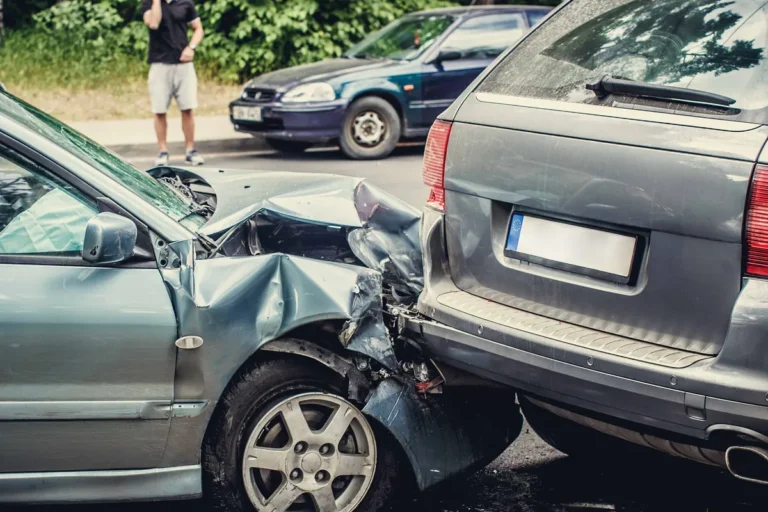
Safety comes first, then evidence. Check for injuries and call 911 if anyone is hurt. Move the cars to the shoulder if you can. Then call the police, swap insurance details, and take photos before anything gets moved. This is what to do when someone hits your car, in this order.
- Check for injuries. Call 911 if anyone is hurt. Don’t move someone who can’t move on their own.
- Get safe. If the cars can move, pull to the shoulder and turn on your hazard lights.
- Call the police. A police report is a neutral record of what happened. Ask for the report number.
- Swap information. Get the other driver’s name, phone, plate number, and insurance company.
- Take photos. Shoot both cars, the road, skid marks, traffic lights, and your injuries.
- Find witnesses. Ask anyone who saw the crash for a name and phone number.
Be polite, but don’t say “I’m sorry.” The other side can twist those words into an admission. Write down what you remember that same day.
Do you need medical attention if you feel fine?
Yes, within a day or two. Adrenaline hides pain, and many crash injuries show up hours or days later. Whiplash, concussions, and back injuries are common examples. Tell the doctor exactly where it hurts. Then follow the treatment plan and keep every appointment, because gaps in care hurt your claim.

Read more about delayed injuries after a car accident.
Do you have to report the crash?
Often, yes. In Washington, a driver must report a crash within four days if anyone was hurt or killed, or if property damage is $1,000 or more and no officer filed a report. The report goes to the local police, the county sheriff, or the State Patrol. Tell your own insurer too, even if you’re not at fault.
That rule is RCW 46.52.030. If police came, ask how to get a copy of their report. Not sure a small crash counts? See do I have to report a minor car accident.
Someone hit my car: whose insurance do I call?
Call both. The at-fault driver’s liability insurance should pay for your losses, but that money usually comes at the end, when the claim settles. Your own policy can help sooner. Your PIP pays medical bills no matter who caused the crash, and collision fixes your car now. Using them doesn’t make you look at fault.
| Coverage | Whose policy | What it pays |
|---|---|---|
| Liability | The at-fault driver’s | Your medical bills, lost pay, pain, and car damage. Usually paid when the claim settles. |
| PIP (Personal Injury Protection) | Yours | Medical bills and some lost pay, no matter who caused the crash. Pays as you go. |
| Underinsured motorist (UIM) | Yours | Steps in when the other driver has no insurance or too little. Also covers hit-and-run. |
| Collision | Yours | Fixes your car now. Your insurer can then collect from the other driver’s insurer. |
Washington insurers must offer PIP, and you can only turn it down in writing (RCW 48.22.085). Learn more in what is PIP in Washington.
What if the other driver’s insurance isn’t enough?
Then your own UIM coverage can pay the rest, up to your limit. Washington’s minimum liability limits are low: $25,000 per person for injuries. A serious injury can cost far more than that. UIM also covers a driver with no insurance at all, and most hit-and-run crashes.
Washington minimum coverage amounts
Report any hit-and-run to police right away. If the other car never touched you (the law calls it a “phantom vehicle”), the report must be made within 72 hours, and you need proof beyond your own word, like a witness or a camera (RCW 48.22.030). No insurance on the other side? See car accident without insurance when you’re not at fault.
What should you tell the other driver’s insurance company?
Only the basics: your name, your contact details, and where your car is. An adjuster may call within days and sound friendly. That’s the job. Their goal is to pay you as little as possible, so don’t guess about speed or say “I’m fine.” Keep each call short.
You don’t have to give the other driver’s insurer a recorded statement. Anything you say can be used to lower your claim. If you hire us, we take those calls for you.
| Fine to give | Hold back |
|---|---|
| Your name and contact details | A recorded statement |
| Where your car is for the damage check | Guesses about speed, distance, or how you feel |
| The police report number | A medical release that opens all your records |
| Your own insurer’s claim number | A yes to a fast offer before you know how hurt you are |
What if they say you were partly at fault?
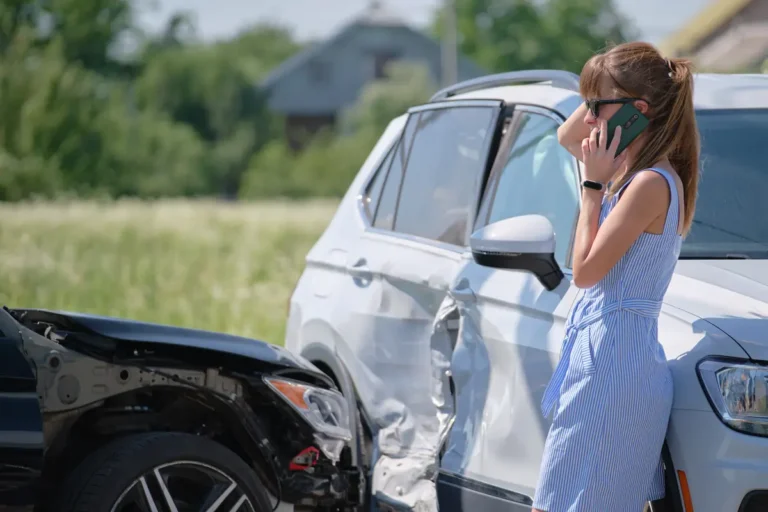
You can still get paid. Insurers often argue you share the blame: you were “going a little fast,” or you “could have braked sooner.” Washington lets you recover even if you were partly at fault. Your payment just goes down by your share. That’s why photos, witnesses, and the police report from the scene matter so much.
How shared fault changes a payment (example only)
Read more in what happens if you’re partly at fault. And once you sign a settlement release, the claim is closed for good.
What evidence and documentation should you keep?
Keep proof of every loss, not just the car. Start one folder, on paper or your phone, and save it all from day one. Medical bills, missed work, repair estimates, and rental receipts all count. So does a short journal of your pain, because the other side pays for losses you can show.
| Loss | Proof to keep |
|---|---|
| Medical care | Bills, prescriptions, and mileage to appointments |
| Lost pay | Pay stubs and a note from work showing the days you missed |
| Your car | Repair estimates, photos, and rental car receipts |
| Pain and daily life | A short journal of your pain, sleep, and what you can’t do anymore |
Your car may be worth less after a crash, even once it’s fixed. Read about car value drop after an accident and rental cars after an accident.
How long do you have to file a claim?
Usually three years from the crash to file an injury lawsuit in Washington. Claims against a city, county, or the state have extra steps before you can sue, so start early. Three years sounds like a lot, but camera footage gets erased in days, and witnesses move away.
That deadline is RCW 4.16.080. Read more about the statute of limitations for car accidents in Washington.
When should you talk to a lawyer?
When you’re hurt, still in treatment, or the insurer blames you. Not every fender bender needs one. If no one was hurt and the insurer is paying for your car, you may be fine on your own. But a low offer, little insurance on the other side, or missed work are all good reasons to call.
Knowing what to do after a car accident that’s not your fault is half the job. When we take a case like this, we deal with the insurers so you can focus on getting better. See should I get a lawyer for a minor car accident.
FAQ
What to do if someone hits your car and drives away?
Call 911 and report it right away. Write down the plate, the car, and which way it went. Your UIM coverage can pay for injuries in a hit-and-run.
Will my rates go up if I wasn’t at fault?
Washington law says an insurer can’t raise your rate over accident information on your driving record unless you were found at fault. See how long an accident stays on your record and how much car insurance goes up after an accident.
How long does a claim take?
Simple claims can settle in a few months. Claims with serious injuries take longer, because you should finish treatment first. See how long a car accident settlement takes.
What is my claim worth?
It depends on your injuries, your bills, your lost pay, and the insurance available. Read about typical car accident settlement amounts in Washington.
What does No Win, No Fee mean?
You pay nothing up front. Our fee comes out of the money we win for you. No hourly bills. No retainer. If we don’t win, you owe us nothing. Not even the case costs.
Talk to Rich about your crash
Now you know what to do after a car accident that’s not your fault. If you were hurt, you don’t have to fight the insurer alone. Rich Martin has handled more than 2,000 injury cases in 28 years, and he’s taken more than 30 to a jury. He’ll look at yours himself and tell you where you stand.
We help people in Bellevue, Seattle, Tacoma, and across Washington. Your case review is free. No Win, No Fee. We speak English and Korean.
Call (425) 635-2000 or see how we handle car accident cases.
Keep reading
Can You Claim a Car Accident Without a Police Report?
Last updated: October 24, 2026 It was a slow crash in a parking lot off Bellevue Way. The other driver said sorry, you traded…
Car Accidents and Chiropractic Care: What to Know in Washington
Last updated: October 23, 2026 It’s been a week since the crash. Your neck is stiff every morning, and turning to check your blind…
How Much Does Car Insurance Go Up After an Accident?
Last updated: October 23, 2026 Your renewal notice came in the mail today. The crash was in the spring, the repairs are done, and…