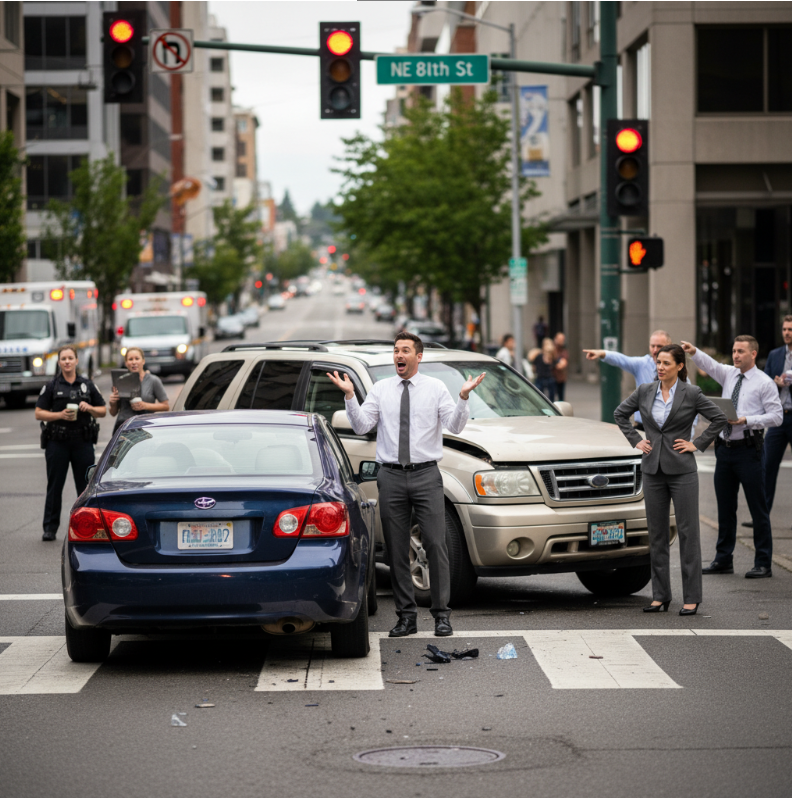
No-Fault Car Accident Settlements in Washington State
A car accident can change your life in an instant. Medical bills may start piling up, work can become impossible, and insurance adjusters begin to call. Understanding the no-fault car accident settlement process is crucial to protecting your financial recovery if you are injured in Bellevue or nearby areas like Renton and Kirkland.
Washington State is not a pure no-fault state like Florida or Michigan. Instead, it follows a fault-based (tort) system but requires insurers to offer Personal Injury Protection (PIP) — a form of optional no-fault coverage that can provide immediate benefits.
This hybrid system often leads to questions: Who pays your medical bills first? Can you sue the other driver? How does Washington’s pure comparative negligence rule affect no-fault car accident settlements?
In this guide, we’ll explain:
How no-fault insurance works in Washington
What does Personal Injury Protection (PIP) cover in Washington state
How settlements are calculated
How does Washington’s pure comparative negligence rule affect no-fault car accident settlements
Common insurance tactics to watch out for
How to protect your claim during a no-fault car accident settlement negotiation in King County
If you’re hurt and unsure about your rights, you don’t have to navigate this alone.
PIP provides Washington’s version of no-fault coverage.
Unlike liability insurance, which depends on fault determination, PIP pays benefits regardless of who caused the car accident.
What PIP Covers
✅ Medical expenses
✅ Lost wages
✅ Loss of household services
✅ Funeral costs
Typical PIP coverage in Washington includes:
$10,000 for medical expenses (with options for higher limits)
$10,000 for lost wages
$2,000 for funeral expenses
Because PIP pays benefits without considering fault, it offers immediate financial help — especially when fault is unclear or disputed in areas across King County including Bellevue, Redmond, and Mercer Island.
However, PIP benefits have caps. Once exhausted, you must seek additional compensation via a fault-based claim.
These stages are typical in Bellevue car accident claims and similar cases in nearby Renton and Kirkland.
Washington’s Pure Comparative Fault Rule
Washington is known for its claimant-friendly pure comparative negligence rule.
This means you can recover damages even if you are partially at fault.
For example:
If your total damages are $100,000 but you share 30% of the fault:
You can still recover $70,000.
There is no 50% cutoff like in some states — even if you are 90% at fault, you may still recover 10%.
That said, insurance companies often try to inflate your fault to lower their payout.
Common allegations include:
Speeding
Distraction
Failure to yield
Not braking on time
Experienced attorneys use evidence like:
Police reports
Traffic camera footage
Witness statements
Accident reconstruction experts
to challenge inflated fault claims effectively.
How Much Can I Expect From a No-Fault Car Accident Settlement in Bellevue?
Washington does not release official average settlement figures, but industry sources estimate:
Average car accident settlement: Around $26,000
Property damage-only claims: A few thousand dollars
Major injury cases: Six or seven figures
Settlement amounts depend on:
Injury severity
Medical bills
Lost income
Permanent disability
Policy limits
Strength of supporting evidence
Legal representation
Minor soft tissue injuries may settle quickly, while complex traumatic brain injury (TBI) cases can take years but often yield significantly higher compensation.
Key Legal Issues in No-Fault Claims
1. PIP Reimbursement (Subrogation)
If your PIP insurer pays your medical bills and you later recover from the at-fault party, your insurer may seek repayment. Lawyers often negotiate these repayment demands down.
2. Policy Limits
Many drivers only carry required minimum coverage. If your losses exceed $25,000, you might need:
Underinsured Motorist (UIM) coverage
A personal lawsuit against the at-fault driver
3. Delays in Medical Treatment
Gaps or delays can cause insurers to reduce your settlement amount.
The Insurance Company’s Role in No-Fault Settlements
Insurance companies aim to minimize their payout.
Watch for tactics such as:
Quick, lowball settlement offers
Requests for recorded statements
Downplaying your injuries
Blaming pre-existing conditions
Delaying negotiations
Statements like:
“This is our best and final offer.”
usually are not final.
Skilled Bellevue injury lawyers familiar with King County Superior Court trends provide valuable leverage when negotiations stall.
Risks, Delays, and Legal Options
How Long Does Settlement Take?
Minor claims: 3–6 months
Moderate injuries: 6–18 months
Lawsuits: 1–3 years
Statute of Limitations
Washington law generally gives you three years from the accident date to file a personal injury lawsuit — missing this can forfeit your right to recover. More info can be found at the King County Superior Court.
No-Fault Settlement Process Checklist
Step
What Happens
Key Risk
1. Accident Occurs
Police report filed; medical care sought
Missing injury documentation
2. PIP Activated
Your insurer pays initial benefits
Benefits max out too soon
3. Liability Investigation
Fault is determined
Fault assigned unfairly
4. Demand Package Sent
Attorney submits evidence
Incomplete documentation
5. Negotiation
Settlement talks begin
Pressure to accept low offer
6. Settlement or Lawsuit
Case resolved or lawsuit filed
Statute of limitations expires
Prevention and Smart Next Steps
While no one can prevent every crash, you can better protect your claim:
Carry liability limits higher than the minimum
Purchase PIP and Underinsured Motorist coverage
Get prompt medical care after a crash
Avoid recorded statements without legal advice
Consult a personal injury lawyer early
Even if fault is unclear, a free consultation with an experienced attorney can strengthen your recovery — whether in Bellevue, Kent, or Federal Way.
👉 Injured in Bellevue? Contact R Martin Law Group for a free consultation.
Frequently Asked Questions
1. If Washington is not a no-fault state, why do I have PIP?
Washington requires insurers to offer PIP, which drivers can reject in writing. If you didn’t reject it, you probably have PIP. It pays benefits immediately, regardless of fault, while liability is determined.
2. Can I sue the other driver if I have PIP?
Yes. PIP does not prevent you from seeking full compensation from the at-fault driver through claims or lawsuits.
3. What if I was partially at fault?
Washington’s pure comparative negligence rule means your compensation is reduced by your percentage of fault but you are still eligible to recover damages.
4. How long does it take to receive a settlement?
Simple cases may settle within a few months; complex injuries or disputed fault cases can take a year or more.
5. Are car accident settlements taxable?
Compensation for physical injuries such as medical bills and pain and suffering is generally not taxable, though lost wages might be. Consult a tax professional.
6. What if the at-fault driver is uninsured?
If you have Uninsured Motorist (UM) coverage, you can claim benefits through your own insurer. Without UM coverage, it can be much harder to recover compensation.
Protecting Your Financial Recovery After a Washington Car Accident
Navigating no-fault car accident settlements in Washington means balancing PIP benefits with a fault-based system. While PIP offers quick initial support, most significant recoveries depend on proving negligence and strong negotiation.
Washington’s pure comparative negligence rule allows even partly at-fault victims to recover — though insurers often try to reduce payouts by shifting blame.
If you were injured in Bellevue or throughout King County, including Issaquah and Redmond, you deserve clarity, strong legal advocacy, and full compensation.
R Martin Law Group understands local courts, insurance tactics, and the unique challenges faced by Washington drivers.