
Last updated: October 21, 2026
It’s been six weeks since the crash. The bruises are gone, but your hands still lock on the wheel at every intersection, and the sound of brakes at night jolts you awake. Friends say you should be over it by now. You’re starting to wonder if something is wrong.
PTSD from a car accident is real, and it’s a recognized injury. Federal health agencies list car accidents among the traumatic events that can cause it. Here’s how to spot the signs, when to get help, and how emotional injuries fit into an injury claim in Washington.
The short answer: Yes, a car accident can cause PTSD. Signs include reliving the crash, avoiding driving, feeling on edge, and more negative thoughts than before. If they last more than a month or disrupt your life, see a mental health provider. Talk therapy and medicines help. PTSD can be part of your injury claim if records show it.
Can you get PTSD from a car accident?
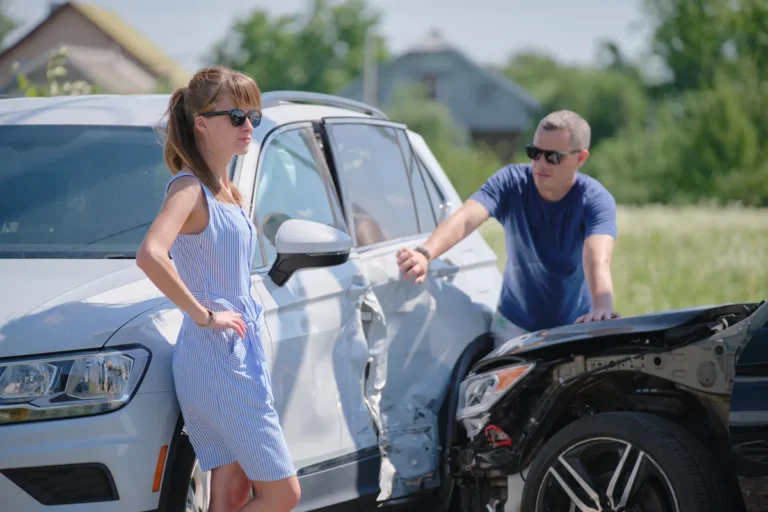
Yes. MedlinePlus describes PTSD as a mental health disorder some people develop after they live through or see a traumatic event. It names a car accident as one example. You don’t have to be badly hurt to get it. Drivers, passengers, and people who saw the crash can all develop symptoms afterward.
Sources: MedlinePlus, Post-Traumatic Stress Disorder and the VA National Center for PTSD.
What are the symptoms of PTSD after a car accident?
The VA’s National Center for PTSD groups the symptoms into four types: reliving the event, avoiding reminders, more negative thoughts and feelings than before, and feeling on edge. A diagnosis needs symptoms of each type. After a crash, avoidance often looks like refusing to drive, taking long detours, or panicking as a passenger.
| Symptom type | What it can look like after a crash |
|---|---|
| Reliving the event | Flashbacks, nightmares, a racing heart when you hear brakes or horns |
| Avoiding reminders | Not driving, avoiding the road where it happened, not talking about it |
| Negative thoughts and feelings | Guilt, fear, numbness, losing interest in things you enjoyed |
| Feeling on edge | Jumpiness, trouble sleeping, anger, always scanning for danger |
When do PTSD symptoms start after a crash?
Usually soon after, but not always. Both the VA and MedlinePlus say symptoms can stay hidden for months or even years. Feeling shaken in the first days is normal. The VA says it may be PTSD if symptoms last longer than four weeks, cause you great distress, or get in the way of work or home life.
MedlinePlus says a diagnosis needs the symptoms for at least one month. If you notice them, tell your doctor, even if your physical injuries have healed. Read more about delayed injuries after a car accident.
When should you get help right away?
If you have thoughts of hurting yourself, get help now. Call or text 988 to reach the 988 Suicide and Crisis Lifeline, any time, day or night. If you’re in danger, call 911. You don’t have to wait for a diagnosis or a doctor’s visit. Telling someone today is the right step.
- Call or text 988 if you have thoughts of suicide or self-harm.
- Call 911 if you or someone else is in immediate danger.
- Tell your doctor about new fear, nightmares, or panic after the crash.
- Ask for a referral to a mental health provider.
Source: 988 Suicide and Crisis Lifeline.
How is PTSD treated?
MedlinePlus says the main treatments are talk therapy, medicines, or both. A mental health provider decides what fits you. Many people improve with treatment, and starting early helps. Keep your appointments and tell your provider how the symptoms affect your daily life, including driving, work, sleep, and family. That detail matters for your care and your claim.
If your crash also caused a head injury, some symptoms can overlap with a concussion. See headache after a car accident and our brain injury page.
How can family and friends support you?
By listening without pushing. Let the person talk about the crash when they’re ready, and don’t tell them to “just get over it.” Offer rides to appointments and help with errands while driving is hard. Notice poor sleep, anger, or pulling away, and gently suggest a doctor. If there’s any talk of self-harm, call or text 988 together.
Getting back behind the wheel is often part of recovery. Talk with your provider about a plan that starts small, like short drives on quiet roads with someone you trust, instead of forcing it all at once.
Can you get compensation for PTSD after a car accident?
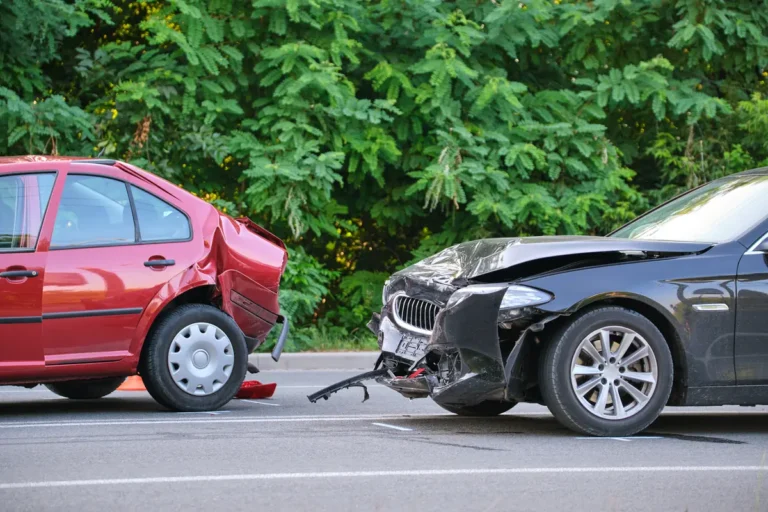
Yes, when another driver caused the crash. An injury claim can cover emotional harm, not just broken bones. That includes the cost of therapy and medicine, time missed from work, and how PTSD changes your daily life. The key is proof: a diagnosis and treatment records that connect the PTSD to the crash.
One of our results: A pedestrian hit by a car developed PTSD. The case settled in mediation for $600,000. Past results don’t guarantee future results. Every case is different.
For how claims are valued, see typical car accident settlement amounts in Washington.
How do you prove PTSD in an injury claim?
With records that tell a clear story. Get a diagnosis from a mental health provider, follow the treatment plan, and keep notes on how symptoms affect you. Statements from family or coworkers can show the change in you. Gaps in treatment and posts that look carefree on social media are what insurers use to doubt a PTSD claim.
| Proof | What it shows |
|---|---|
| Diagnosis from a mental health provider | That you have PTSD, and that the crash caused it |
| Therapy and medication records | That you’re getting care, and what it costs |
| A short daily journal | Nightmares, panic, missed drives, and bad days |
| Work records | Missed days or changes in what you can do |
| People who know you | How you’ve changed since the crash |
- Tell your doctor. Mention fear, nightmares, or avoiding driving.
- Get a referral. See a mental health provider for a diagnosis.
- Stay in treatment. Keep every appointment.
- Keep records. Bills, notes, and your journal.
Who pays for counseling after a car accident?
At first, your own coverage. Your PIP pays medical bills no matter who caused the crash, so ask your insurer whether your policy covers counseling. Your health insurance may help too. Later, the at-fault driver’s insurer usually pays as part of your injury claim, and that can include the therapy costs you’ve paid.
PIP minimums Washington insurers must offer
Why do insurers push back on PTSD claims?
Because they can’t see it on an X-ray. Adjusters may say your symptoms came from something else, that you waited too long to get help, or that you had anxiety before the crash. Early care, steady treatment, and honest records answer most of those arguments. A condition made worse by the crash can still be part of your claim.
Don’t give the other driver’s insurer a recorded statement about how you feel. In Washington, you usually have three years to file a lawsuit (RCW 4.16.080). If you call us, we’ll talk through your records and tell you where you stand.
FAQ
Can I get PTSD from a car accident if I wasn’t hurt?
Yes. PTSD can follow a crash you lived through or saw, even without a physical injury.
Can passengers or witnesses get PTSD after a crash?
Yes. Anyone who experienced or saw a traumatic event can develop PTSD, not just the driver.
Do I need a diagnosis to include PTSD in my claim?
It helps a lot. Only a mental health provider can diagnose PTSD, and that diagnosis is the strongest proof.
Is PTSD after a car accident permanent?
Not necessarily. Talk therapy and medicines help many people. How long it lasts is different for each person.
What does No Win, No Fee mean?
You pay nothing up front. Our fee comes out of the money we win for you. No hourly bills. No retainer. If we don’t win, you owe us nothing. Not even the case costs.
Talk to Rich about PTSD after your crash
PTSD from a car accident can change how you live, work, and drive. If another driver caused your crash, call Rich Martin. He has handled more than 2,000 injury cases in 28 years and taken more than 30 to a jury. He was named to the National Association of Distinguished Counsel’s Nation’s Top One Percent in 2023 and 2024.
We help people in Bellevue, Seattle, Tacoma, and across Washington. Your case review is free. No Win, No Fee. We speak English and Korean.
Call (425) 635-2000 or see how we handle car accident cases.
Keep reading
Can You Claim a Car Accident Without a Police Report?
Last updated: October 24, 2026 It was a slow crash in a parking lot off Bellevue Way. The other driver said sorry, you traded…
Car Accidents and Chiropractic Care: What to Know in Washington
Last updated: October 23, 2026 It’s been a week since the crash. Your neck is stiff every morning, and turning to check your blind…
How Much Does Car Insurance Go Up After an Accident?
Last updated: October 23, 2026 Your renewal notice came in the mail today. The crash was in the spring, the repairs are done, and…