

Last updated: October 21, 2026
Someone hands you an envelope at your front door. Inside is a summons with your name on it and a lawyer’s name you don’t recognize. The crash was eight months ago, and you thought insurance had handled it. Your stomach drops.
Being sued for a car accident is stressful, but it’s common, and most of these cases are handled by the at-fault driver’s insurance. What matters most is what you do in the next few days. Here’s how a car accident lawsuit works in Washington, your deadline to respond, and what happens if the claim is bigger than your coverage.
The short answer: Don’t ignore it. In Washington, you usually have 20 days after being served to answer, or 60 days if you were served out of state. Send the papers to your insurer today. Your liability policy usually pays for your defense and covers damages up to your limits. Above those limits, you can owe the rest yourself.
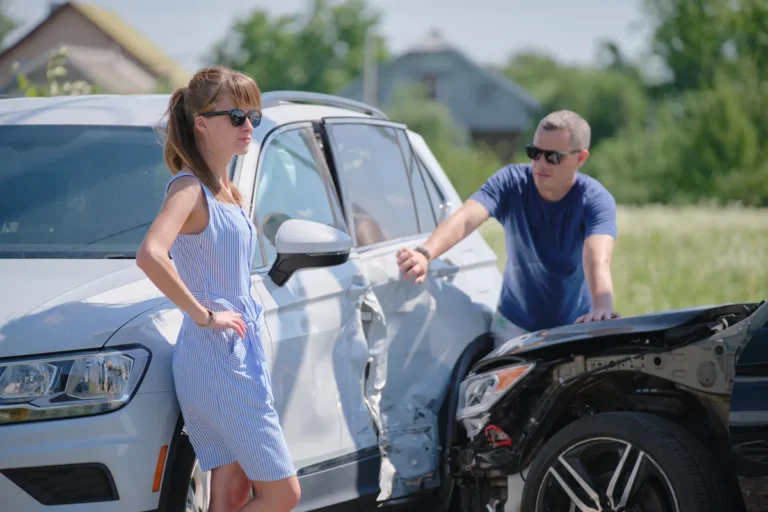
What should you do if you’re being sued for a car accident?
Act fast and don’t handle it alone. Write down the date you were served. Call your auto insurer the same day and send them every page. Don’t contact the person suing you or their lawyer, and don’t post about the crash. Your insurer usually assigns a defense lawyer, and you’ll need to help that lawyer with facts and records.
- Note the date you were served. Your deadline runs from that day.
- Call your insurer today. Send the summons and complaint.
- Don’t talk to the other side. Let the defense lawyer do it.
- Gather your records. Police report, photos, your policy, and notes.
What shouldn’t you do after being served?
The biggest mistake is ignoring the papers and hoping insurance takes care of it. Don’t call the person suing you to apologize or explain, because anything you say can be used in the case. Don’t post about the crash or the lawsuit online. And don’t throw away anything about the crash, like photos, texts, or repair records.
How long do you have to respond to a car accident lawsuit?
Usually 20 days. Washington’s court rules give you 20 days after you’re served with the summons and complaint to file an answer, not counting the day of service. The time is 60 days if you were served personally outside the state. If no answer is filed in time, the court can rule against you without hearing your side.
| How you were served | Time to answer |
|---|---|
| In person, in Washington | 20 days after service |
| In person, outside Washington | 60 days after service |
| By publication in a newspaper | 60 days from the first publication |
Will your insurance company defend you?
In most cases, yes. A liability policy usually requires the insurer to defend you in a covered lawsuit and to pay damages up to your limits. In return, you have to tell the insurer quickly and cooperate. If someone else was driving your car with your permission, your policy generally covers that driver too.
The permissive-driver rule is RCW 46.29.490. Read your policy’s “duties after an accident” section, and ask the insurer to confirm in writing that it will defend you.
What if the claim is more than your insurance limits?
Then part of the risk is yours. Washington’s minimum liability coverage is $25,000 per person for injuries, and a serious injury claim can be far higher. Your insurer pays up to your limit. Anything above it can become a judgment against you personally. If you get a letter saying the claim exceeds your limits, take it seriously.
Example only: a claim above minimum limits
Ask your insurer whether it will try to settle within your limits. You can also hire your own lawyer to watch out for your personal assets. If a judgment from a crash goes unpaid for 30 days, the winner must report it to the Department of Licensing (RCW 46.29.310).
What if you don’t have insurance?
Then you’re responsible for your own defense and any judgment. Answer the lawsuit on time anyway, because ignoring it makes things worse. Talk to a lawyer who defends drivers, or contact a county bar referral service. Driving without insurance can also lead to a ticket and license problems in Washington, separate from the lawsuit.
Read car accident without insurance in Washington for the license and fine rules.

Can you be sued if the crash was only partly your fault?
Yes. Washington uses pure comparative fault. Each driver pays for their own share of the blame, and an injured person can recover even if they were partly at fault too. So if a jury finds you 30% at fault, you’d generally owe 30% of the other person’s damages. That’s why evidence about how the crash happened matters on both sides.
| Jury finding | Other driver’s damages | Your share |
|---|---|---|
| You 100% at fault | $80,000 | $80,000 |
| You 50%, they 50% | $80,000 | $40,000 |
| You 30%, they 70% | $80,000 | $24,000 |
How long after a crash can someone sue you?
Usually up to three years from the crash. That’s Washington’s general deadline for injury lawsuits, so a summons can arrive long after you thought the matter was closed. If the injured person was a child, the clock usually doesn’t start until they turn 18. That’s why you should report every crash to your insurer right away.
The deadlines are RCW 4.16.080 and RCW 4.16.190. See the statute of limitations for car accidents.
What happens in a car accident lawsuit?
After the answer is filed, both sides trade information in a stage called discovery. You may answer written questions and give a deposition. Many cases settle along the way, often at mediation. Smaller money claims may go to mandatory arbitration in counties that use it. If nothing settles, the case goes to trial. Your defense lawyer will explain each step.
- Answer the complaint by the deadline.
- Help your lawyer with records and the facts.
- Prepare for written questions and a deposition.
- Attend mediation or arbitration if the case goes there.
Arbitration rules are in RCW 7.06.020. See how long lawsuit settlements take.
What if you were hurt in the crash too?
Then you may have your own claim against the other driver. Being sued doesn’t stop you from seeking payment for your injuries. Washington’s comparative fault rule lets each side recover for the other’s share of the blame. Your own claim has its own three-year deadline, so don’t let it slip while the lawsuit against you moves forward.
We represent people hurt in crashes, not drivers defending a lawsuit. If you were injured, we’ll review your claim for free. See what to do after a car accident that’s not your fault.
FAQ
Can I be sued after the insurance company already paid?
If the injured person signed a full release, the claim is usually over. Without a release, they may still sue within the deadline.
Should I talk to the other driver’s lawyer?
No. Send anything you receive to your insurer, and let your defense lawyer handle all contact.
Is getting sued for a car accident the same as being charged with a crime?
No. A lawsuit asks for money. A criminal charge is brought by the state. One crash can lead to both. See civil vs criminal liability.
Will my insurance rates go up if I’m sued?
Each insurer sets its own rates. A crash you caused can affect them whether or not a lawsuit follows.
What does No Win, No Fee mean?
You pay nothing up front. Our fee comes out of the money we win for you. No hourly bills. No retainer. If we don’t win, you owe us nothing. Not even the case costs.
Talk to Rich if you were hurt too
Being sued for a car accident doesn’t mean you have no claim of your own. If the other driver shares the blame and you were injured, call Rich Martin. He has handled more than 2,000 injury cases in 28 years and taken more than 30 to a jury. He was named to the National Association of Distinguished Counsel’s Nation’s Top One Percent in 2023 and 2024.
We help people in Bellevue, Seattle, Tacoma, and across Washington. Your case review is free. No Win, No Fee. We speak English and Korean.
Call (425) 635-2000 or see how we handle car accident cases.
Keep reading
Can You Claim a Car Accident Without a Police Report?
Last updated: October 24, 2026 It was a slow crash in a parking lot off Bellevue Way. The other driver said sorry, you traded…
Car Accidents and Chiropractic Care: What to Know in Washington
Last updated: October 23, 2026 It’s been a week since the crash. Your neck is stiff every morning, and turning to check your blind…
How Much Does Car Insurance Go Up After an Accident?
Last updated: October 23, 2026 Your renewal notice came in the mail today. The crash was in the spring, the repairs are done, and…