
Last updated: November 12, 2026
Your car just jolted to a stop at a light on 116th Avenue NE. Your hands are shaking, the other driver is walking toward you, and someone behind you is honking. You know there are things you’re supposed to do right now, but your mind has gone blank.
Here’s what to do after a car accident in Washington, in order. Check for injuries and call 911 if anyone is hurt. If no one is, move the cars out of traffic. Swap the details the law requires, take photos, and get checked by a doctor. Within days, report the crash if needed and call your insurer.
The short answer: What to do after a car accident: stop, check for injuries, and call 911 if anyone is hurt. If no one is, move your car out of the lanes. Exchange names, insurance, and plates. See a doctor even if you feel fine. File a report within 4 days if anyone was hurt or damage is $1,000 or more.
What to do in a car accident, right at the scene
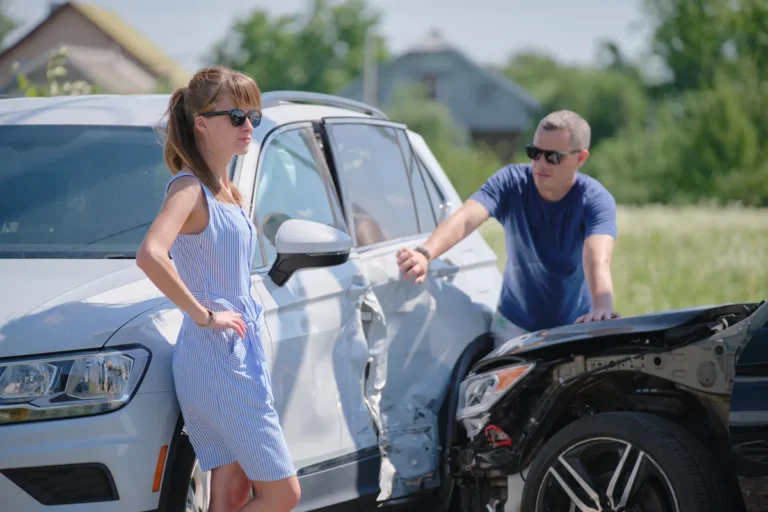
Stop and stay. Washington requires every driver in a crash to stop, help anyone who’s hurt, and share their details before leaving. Check yourself and your passengers first. Call 911 if anyone is injured. Then turn on your hazard lights, move out of traffic if the law allows, and start collecting information.
- Stop. Leaving the scene of an injury crash is a felony.
- Check for injuries. Call 911 if anyone is hurt, and help get them care.
- Get safe. Turn on your hazard lights. In a damage-only crash, move the cars off the main lanes.
- Exchange information. Names, addresses, insurers, policy numbers, plates, and licenses.
- Document the scene. Photos of both cars, the road, signals, and any injuries.
- Find witnesses. Get their names and phone numbers.
- Get the officer’s name. Ask for the report number if police came.
- See a doctor. The same day, or as soon as you can.
How to document the scene
Use your phone. Photograph both cars from several angles, the plates, the road, skid marks, signals, and signs. Take a wide shot that shows where the cars ended up. Photograph any cuts or bruises. Then write a few lines about what happened while it’s fresh.
Do you have to move your car after an accident in Washington?
Yes, if no one is hurt. In a crash with only vehicle or property damage, the law says to move your car off the freeway lanes, shoulders, and medians as soon as possible, to an exit ramp shoulder, a side street, or another safe spot. Moving it doesn’t affect who’s at fault. If anyone is injured, stay at the scene.
| Type of crash | What the law says to do | If you leave without sharing details |
|---|---|---|
| Someone is hurt or killed | Stop at or near the scene and stay. Help get the injured person medical care | Class C felony (injury) or class B felony (death) |
| Only cars or property damaged | Move off the main lanes as soon as possible, then stay at the safe spot | Gross misdemeanor |
| You hit a parked car | Stop. Find the owner or leave a note with your name and address | Misdemeanor |
What information do you have to exchange after a car accident?
Washington law lists it. Each driver must give their name, address, insurance company, policy number, and license plate number, and show their driver’s license. That applies to anyone hurt and to the other driver. Helping an injured person doesn’t count as admitting fault, so the law says it can’t be used as evidence against you.
- The other driver’s name, address, and phone number.
- Their insurance company and policy number. A photo of the card works.
- Their plate number and a photo of their license.
- The car’s make, model, and color, and who owns it.
- Names and numbers of witnesses and passengers.
- The officer’s name, agency, and report number.
The list of required details is in RCW 46.52.020(3). If the other driver won’t share, write down the plate and call 911.
When do you have to report a car accident in Washington?
Within 4 days, if anyone was hurt or killed, or if the damage is $1,000 or more. You file a written collision report with the state unless a police officer investigated and filed one. Below that, no report is required, but you can still file one. A report helps if the other driver changes their story later.
That rule is RCW 46.52.030, and the $1,000 threshold comes from WAC 446-85-010. You can file the driver’s report online through the Department of Licensing. For small crashes, read whether you have to report a minor accident.
What should you say at the scene, and what should you not say?
Stick to facts. Share the details the law requires, answer the officer’s questions honestly, and describe what you saw. Don’t guess about fault, speed, or your injuries. “I’m fine” said in shock can be quoted later. Washington splits fault by percentage, so even a small guess about blame can lower what you recover.
- Say: where you were going, what you saw, and that you’ll get checked by a doctor.
- Skip: “It was my fault,” “I didn’t see you,” or “I’m not hurt.”
- Don’t argue. If the other driver gets angry, wait in your car for police.
Fault sharing comes from RCW 4.22.005, which lowers your payment by your share of fault.
Should you see a doctor if you feel fine?
Yes. Some crash injuries take time to show. Doctors say neck sprain symptoms may not start until hours later or even the next day. A visit soon after the crash also creates a record that links your injury to the crash. If you wait weeks, the other side may argue something else caused it.
The American Academy of Orthopaedic Surgeons describes that delay in its neck sprain guide. MedlinePlus says to call 911 if you can’t move your arm or hand, and to see a provider for numbness, tingling, or weakness after a crash (neck pain). Read about delayed neck pain after a car accident.
What should you do in the days after a car accident?
Report, notify, and keep records. File the state report within 4 days if it’s required. Tell your own insurer about the crash and open a PIP claim for medical bills if you have PIP. Get a copy of the police report. Keep every bill, photo, and letter in one folder, and write down how you feel each week.
| When | What to do | Rule or source |
|---|---|---|
| Within 4 days | File the driver’s collision report, if one is required | RCW 46.52.030 |
| Right away | Tell your insurer. Open a PIP claim for medical bills | Your policy. PIP: RCW 48.22.085, 48.22.095 |
| Within 10 business days of your claim | The insurer must acknowledge it and answer your messages | WAC 284-30-360 |
| Within 30 days | The insurer must finish its investigation or explain the delay in writing | WAC 284-30-370 |
| 2 to 4 weeks after the crash | Order the police report online ($10.50 for a State Patrol report) | Washington State Patrol |
| Within 3 years | File a lawsuit if the claim doesn’t settle | RCW 4.16.080(2) |
Key deadlines after a Washington car accident
What to do after a minor car accident?
The same steps, just faster. Move the cars out of traffic, swap the required details, and take photos even if the damage looks small. Get a repair estimate, because damage of $1,000 or more triggers the report rule. Tell your insurer. And watch how you feel over the next day or two, because soreness can show up later.
For the reporting rules, see do you have to report a minor car accident.
What if the crash wasn’t your fault, or was?
The first steps are the same either way. After that, the paths split. If the other driver caused it, you claim against their insurance for your car, bills, and pain. If you caused it, your liability insurance pays the other side. Either way, your own PIP can pay your medical bills, because it pays no matter who was at fault.
Read what to do after an accident that wasn’t your fault, who pays for a car accident in Washington, and how filing an injury claim works.
When we take a car accident case, Rich handles it himself. We gather the report, the photos, and the medical records, and we deal with the insurers so you can focus on getting better.
FAQ
Do I have to call the police after a car accident in Washington?
Call 911 if anyone is hurt. For a damage-only crash, the law doesn’t require a call, but you must file a written report within 4 days if the damage is $1,000 or more.
What if the other driver leaves the scene?
Write down the plate and call 911. Leaving without sharing details is a crime in Washington. Your own UIM coverage may pay. See what to do after a hit-and-run.
What if the other driver has no insurance?
Your UIM coverage can pay for injuries, and your collision coverage can fix your car. See what happens when the other driver has no insurance.
Should I talk to the other driver’s insurance company?
You can give basic facts. Before a recorded statement about your injuries, it helps to know what your claim includes.
How long do I have to file a claim?
Generally 3 years from the crash to file a lawsuit in Washington. Your own policy may require prompt notice, so call your insurer right away.
What does No Win, No Fee mean?
You pay nothing up front. Our fee comes out of the money we win for you. No hourly bills. No retainer. If we don’t win, you owe us nothing. Not even the case costs.
Talk to Rich about your car accident
Knowing what to do after a car accident protects your health and your claim. If you were hurt, you don’t have to handle the insurers alone. Rich Martin has handled more than 2,000 injury cases in 28 years and taken more than 30 to a jury. He’ll tell you plainly what to do next.
We help injured people in Bellevue, Seattle, Tacoma, and across Washington. Your case review is free. No Win, No Fee. We speak English and Korean.
Call (425) 635-2000 or see how we handle car accident cases.
Keep reading

Does Insurance Cover Hydroplaning? Who Pays After a Wet-Road Crash
Last updated: November 17, 2026 You were driving home on I-90 in a heavy Seattle rain when the steering suddenly went light. Your car…

What Is a Bodily Injury Settlement? A Washington Guide
Last updated: November 13, 2026 The adjuster from the other driver’s insurance company calls back. They say your car claim is done, and now…
Do You Have to Wear a Seatbelt in the Back Seat in Washington?
Last updated: November 12, 2026 You slide into the back of a rideshare outside a Bellevue restaurant. The belt buckle is buried in the…